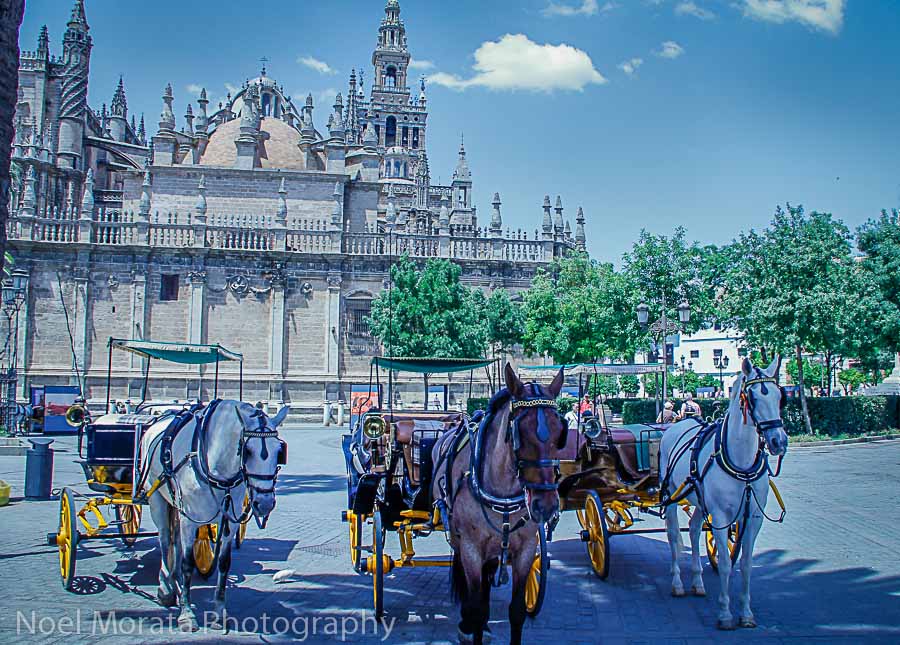
If you only have one day in Seville to visit, this post shares all the best in a full day visiting the city on a self-tour. I advise that you do get a quick head start and if you plan on visiting any of the historic sites that are really popular, that you book them well in advanced and this includes the Alcazar of Seville, the Cathedral and tower and other must see attractions in one day exploring around the city. I’ll detail options of what to see and do that is important, places that are easy to get to by walking and popular venues that you can spend little or more time depending on your interest.
Seville truly deserves more than one day, so I will also include a section if you can extend your trip for a longer visit and many places and options of what to see and do below
Visiting with only One day in Seville, Spain

How to Get to Seville, Spain
- By Air
- Fly into Seville Airport (SVQ), the city’s main international airport.
- The airport has connections with major Spanish and European cities.
- From the airport, reach central Seville by airport bus, taxi, or rental car.
- By High-Speed Train
- Santa Justa Railway Station is Seville’s main train station.
- High-speed AVE and other services connect Seville with Madrid, Córdoba, Málaga, Barcelona, and other Spanish cities.
- The station is a convenient option for travelers arriving from Madrid or Córdoba.
- From Madrid
- Take a direct high-speed train from Madrid Atocha to Seville Santa Justa.
- The journey is generally around 2½–3 hours, depending on the service.
- Driving is another option via the A-4 motorway.
- From Córdoba
- High-speed trains provide a quick connection between Córdoba and Seville.
- By car, follow the A-4 motorway west toward Seville.
- From Cádiz
- Trains connect Cádiz with Seville, making this one of the easiest ways to travel between the two cities.
- By car, take the AP-4/A-4 corridor toward Seville.
- By Long-Distance Bus
- Seville is connected by bus with cities throughout Andalusia and other parts of Spain.
- Plaza de Armas Bus Station is one of the city’s principal long-distance bus terminals.
- By Car
- Seville is connected to the Spanish motorway network by major routes including the A-4, A-49, A-66, and A-92.
- Driving gives you greater flexibility for exploring nearby destinations such as Itálica, Carmona, Jerez de la Frontera, and the White Villages.
- Parking in the historic center can be difficult, so consider using a parking garage outside the most restricted areas.
- Getting Into Central Seville
- From Santa Justa Station, taxis, buses, and local transport connect with the historic center.
- From Seville Airport, the airport bus provides a direct public-transport connection toward the city center.
- Once in central Seville, many major attractions can be explored on foot, while buses, trams, and taxis provide additional transportation.
A Brief History of Visiting Seville
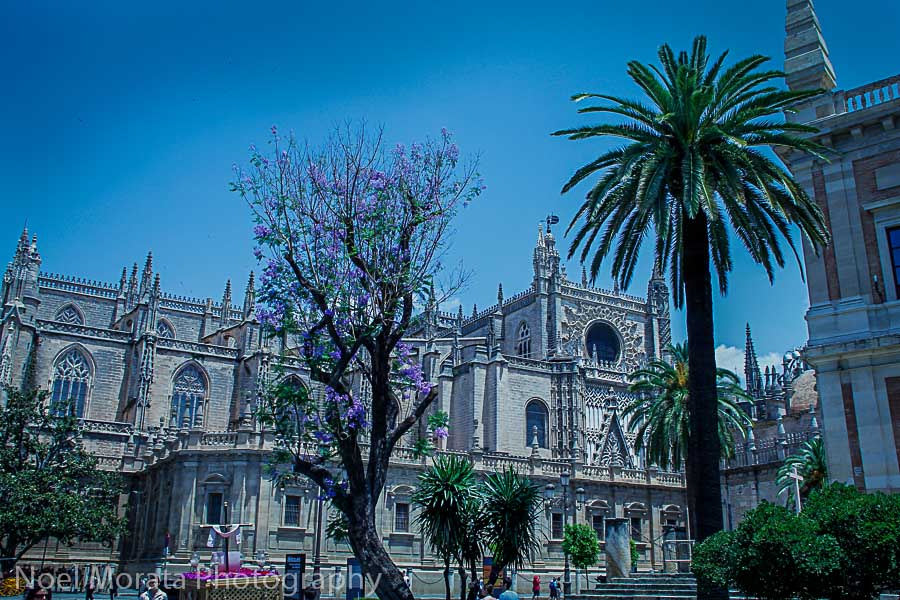
Seville has a long and fascinating history shaped by Roman, Islamic, Jewish, and Christian cultures. The city began as the Roman settlement of Hispalis, which developed into an important commercial center along the Guadalquivir River. Following the Roman period, Seville came under Visigothic rule before being conquered by Muslim forces in 712. During the Islamic period, particularly under the Almohads in the 12th century, Seville became one of the most important cities of Al-Andalus, with major landmarks such as the Giralda and the foundations of the Alcázar reflecting this era. Christian forces under King Ferdinand III captured the city in 1248, after which many Islamic buildings were adapted or transformed for Christian use. Seville experienced another remarkable period of prosperity after Christopher Columbus’s voyages to the Americas, when the city became the principal center for trade between Spain and the New World through its river port. This wealth contributed to the construction and expansion of magnificent churches, palaces, and public buildings, including the Seville Cathedral. Although Seville’s commercial importance later declined as trade shifted toward Cádiz, the city remained an important cultural and artistic center. Today, visitors can see this layered history throughout Seville, from the Roman remains and medieval walls to the Giralda, Royal Alcázar, Cathedral, historic Jewish quarter, Plaza de España, and traditional neighborhoods such as Triana, making the city one of the richest destinations in Andalusia for experiencing Spain’s diverse cultural heritage.
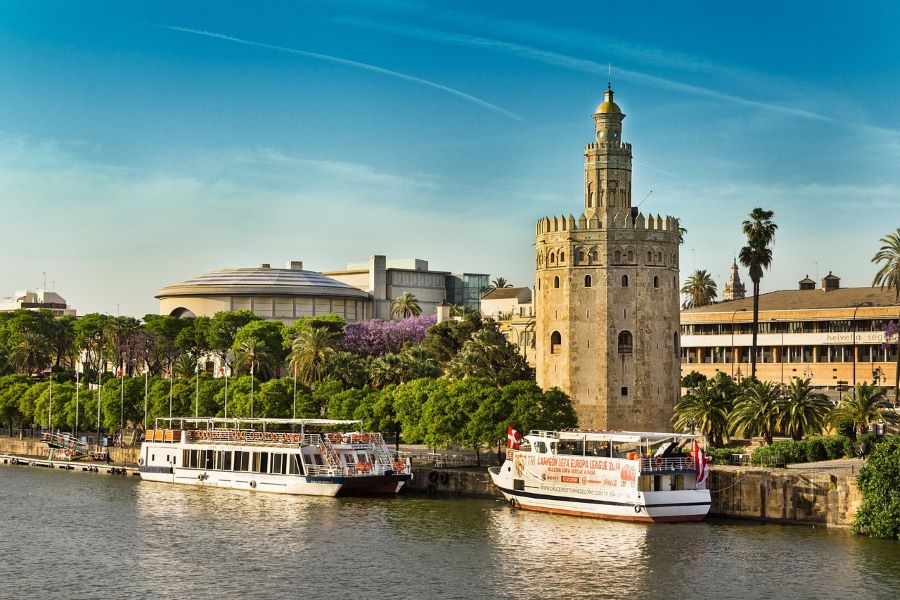
Must-See Attractions in Seville in One Day
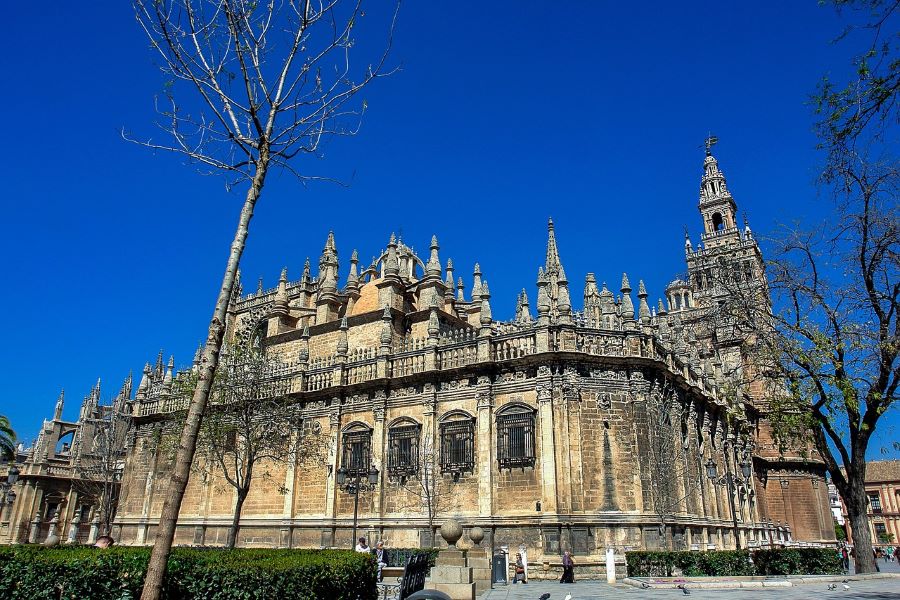
- 1. Seville Cathedral and La Giralda
- Begin your day at Seville Cathedral, one of the largest Gothic cathedrals in the world.
- Visit the tomb of Christopher Columbus and admire the cathedral’s impressive interior.
- Climb La Giralda, the former minaret converted into the cathedral’s bell tower, for panoramic views over the city.
- Allow approximately 1½–2 hours.
Tip – reserved an entry to the Seville Cathedral preferably with skip the line entry if you want great views consider the combo entry with the Giralda tower included.
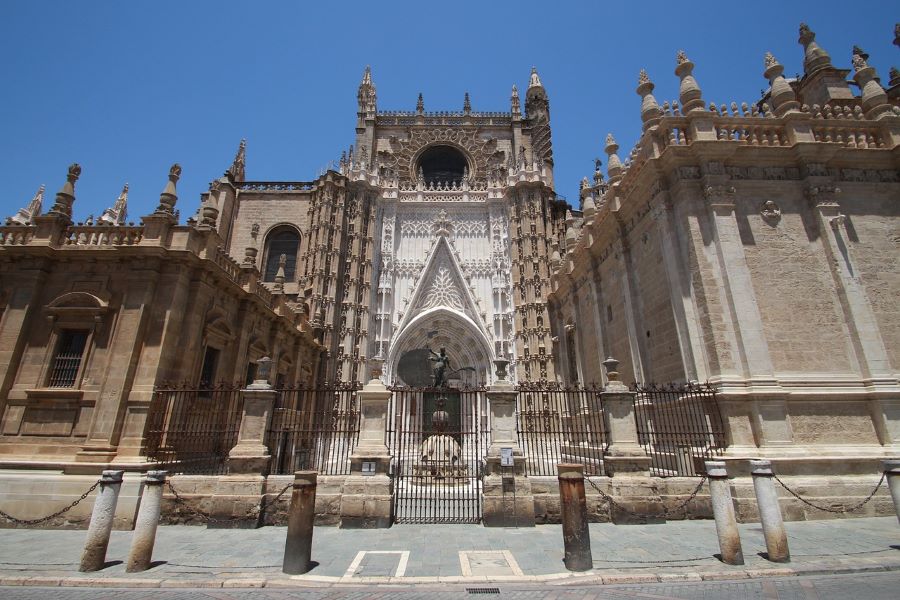
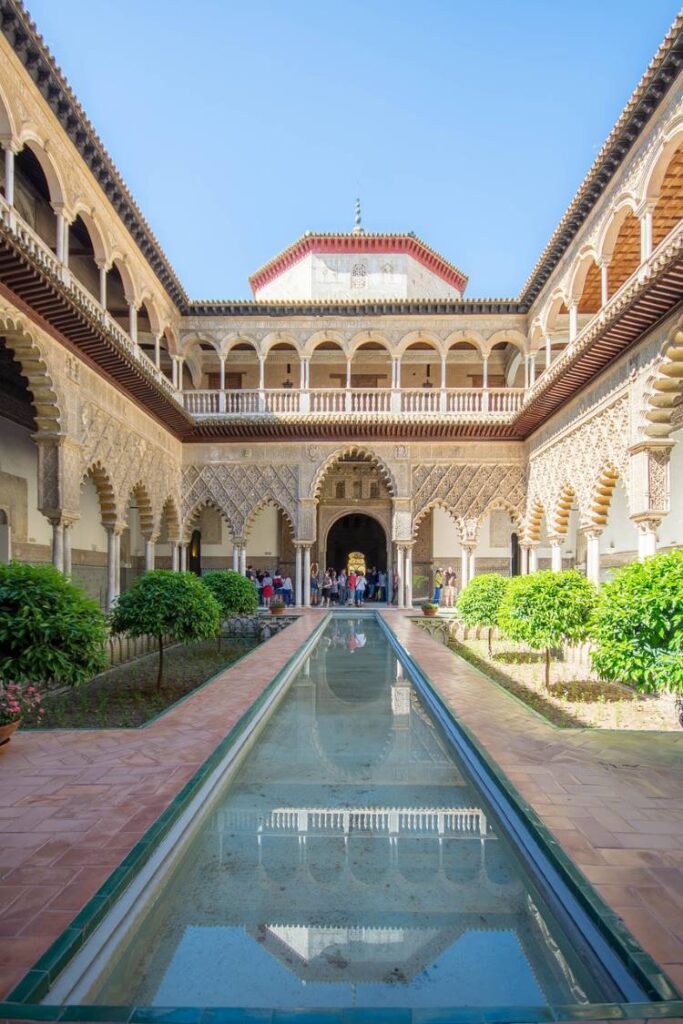
- 2. Royal Alcázar of Seville
- Explore this magnificent palace complex, famous for its blend of Islamic, Gothic, Renaissance, and Baroque architecture.
- Walk through the richly decorated royal rooms, courtyards, and extensive gardens.
- The Patio de las Doncellas and gardens are among the highlights.
- Allow approximately 1½–2 hours.
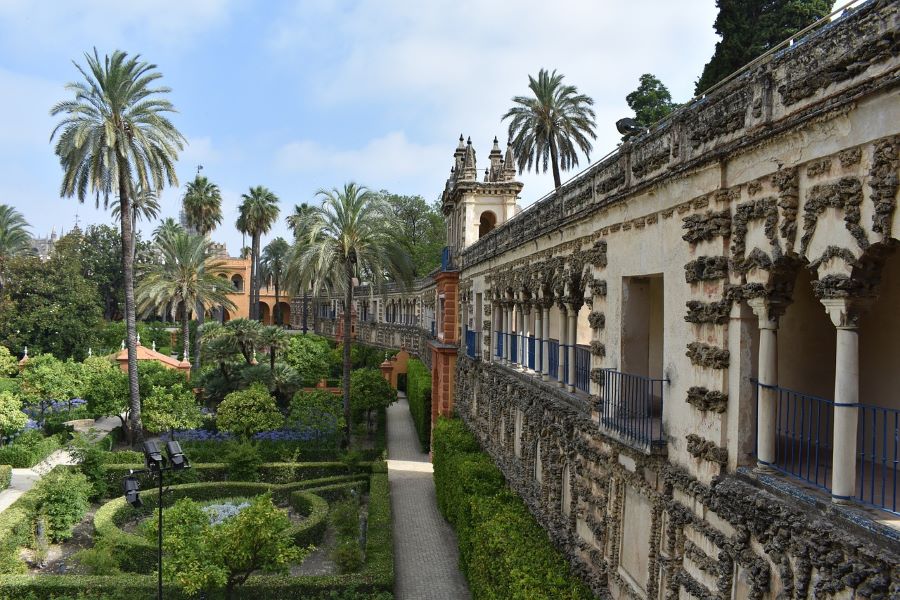
Fun fact – the gardens of the Alcazar where used to film for many segments along with different parts of the Alcazar to resemble the Dorne royal residence.
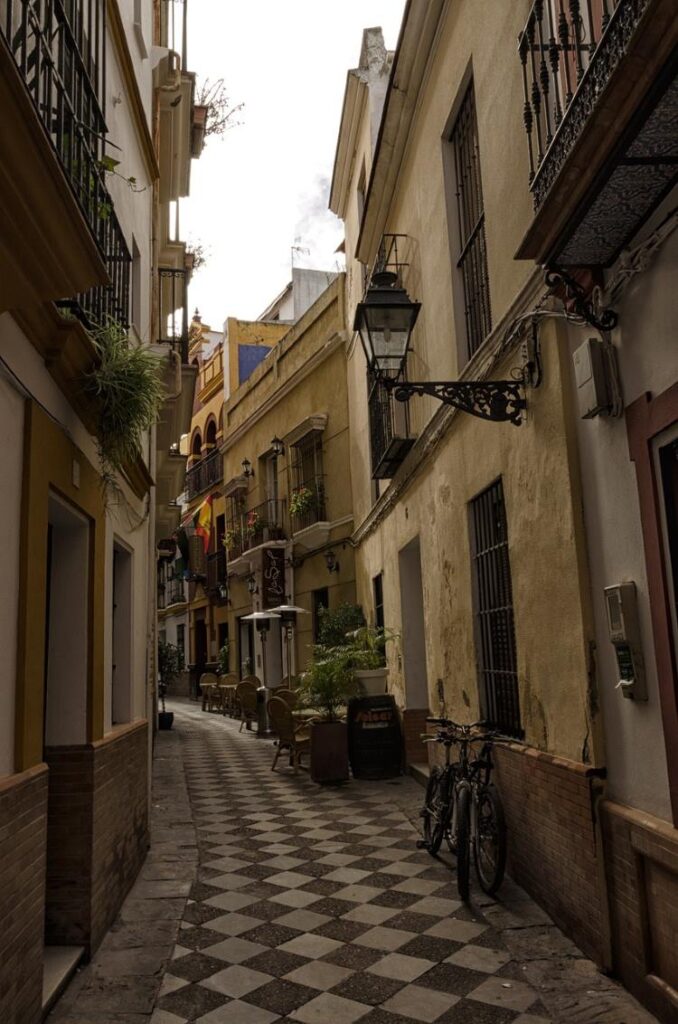
- 3. Santa Cruz Neighborhood
- Walk through the narrow streets and picturesque squares of Seville’s historic Jewish quarter.
- Look for flower-filled patios, traditional houses, small plazas, and historic churches.
- Plaza de los Venerables and Callejón del Agua are particularly atmospheric.
- Allow approximately 45 minutes to 1 hour.
The Santa Cruz neighborhood has most of the historic attractions to visit in all of Seville that includes the Royal Alcazar of Seville, Hospital los Venerables, La Giralda, Iglesia Santa Maria la Blanca, Cathedral of Seville, Murillo Gardens, Archivo de Indias and so many plazas to explore. I would probably advise signing up for a walking tour of this neighborhood to get a full appreciation of the main attractions here.
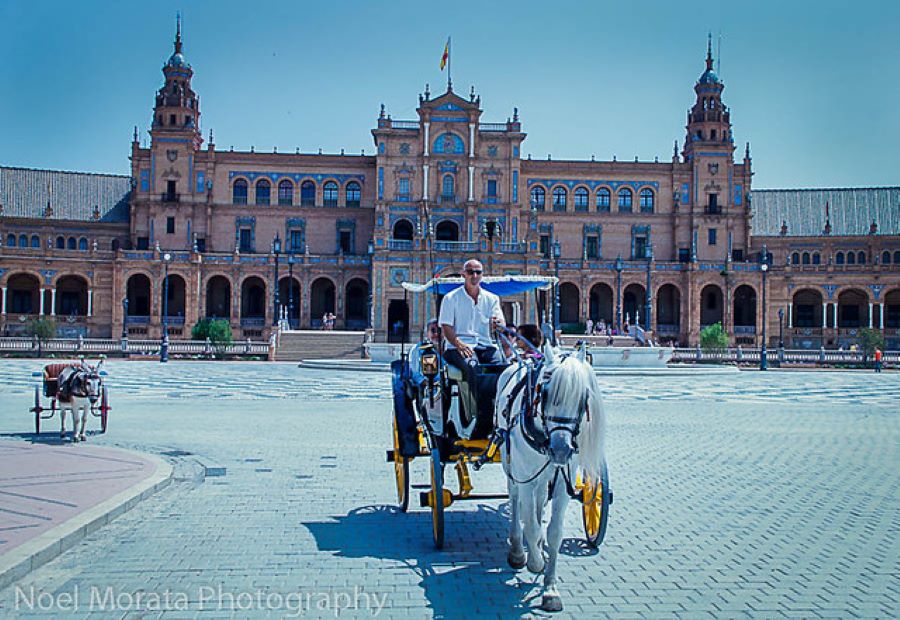
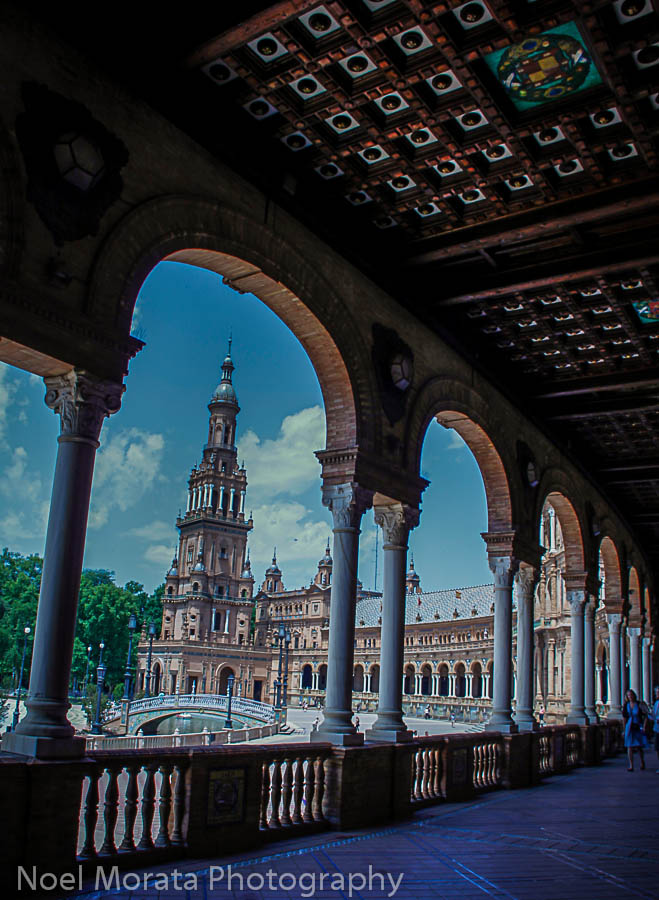
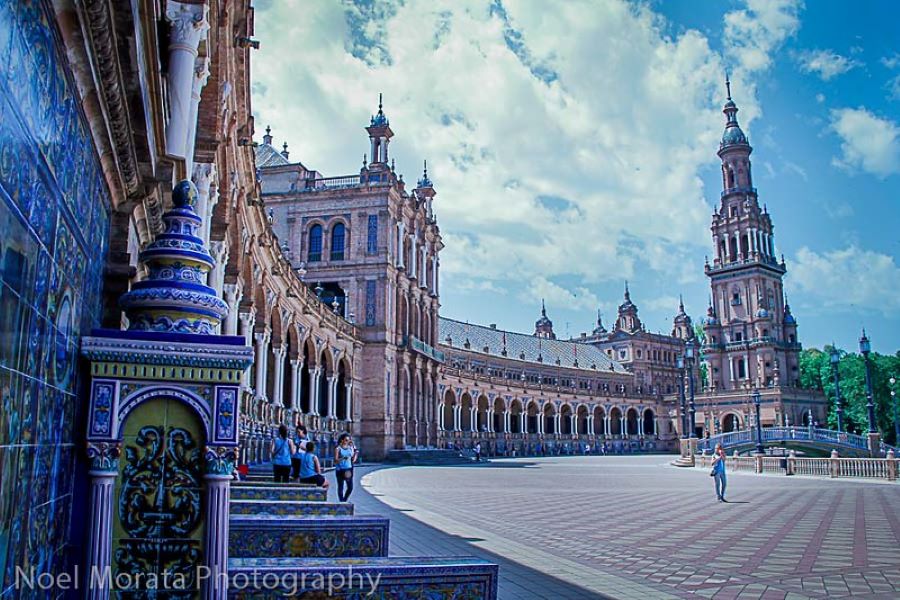
- 4. Plaza de España
- Visit one of Seville’s most recognizable landmarks in Parque de María Luisa.
- Admire the semicircular Renaissance Revival building, tiled provincial alcoves, bridges, and canal.
- Walk along the surrounding park paths for a short break from sightseeing.
- Allow approximately 45 minutes to 1 hour.
Being a ceramic artist, I found the Plaza de Espana, filled with stunning scenes of ceramic made murals of each significant region of Spain represented in various alcoves around the main building and depicting significant events or personalities. A quick tour around the tiled alcoves along with visiting the entire building and maybe even seeing a flamenco show would be a great experience.
**Here’s a quick video tour of the entire Plaza de Espana grounds below
** Check out this free flamenco show when you visit late afternoons a Plaza de Espana, no set schedule
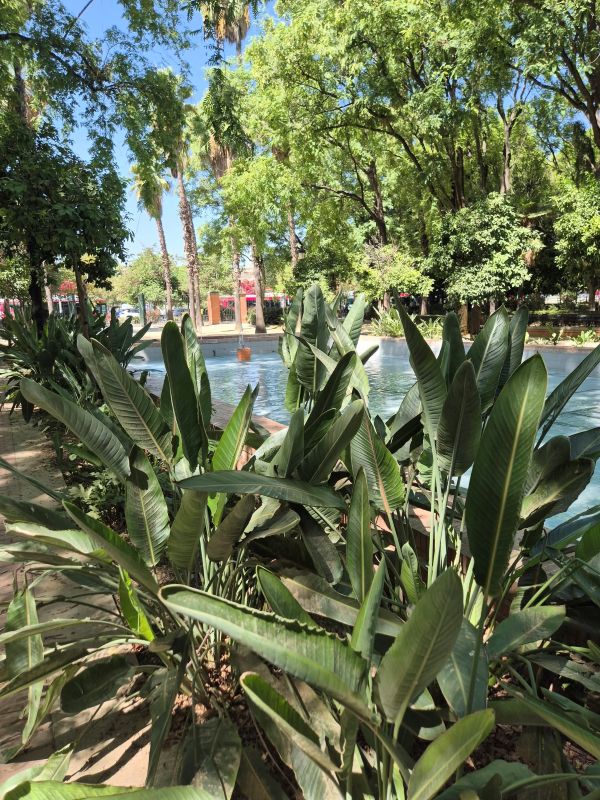
5. Parque de María Luisa
- Explore part of Seville’s beautiful central park surrounding Plaza de España.
- Enjoy its gardens, fountains, ponds, shaded paths, and historic buildings.
- Combine this stop with Plaza de España rather than treating it as a separate major attraction.
If you are looking for green space and away from all the tourist crowds, then this is a nice respite to just relax, sit in a cafe and enjoy the lush greens and water features here.
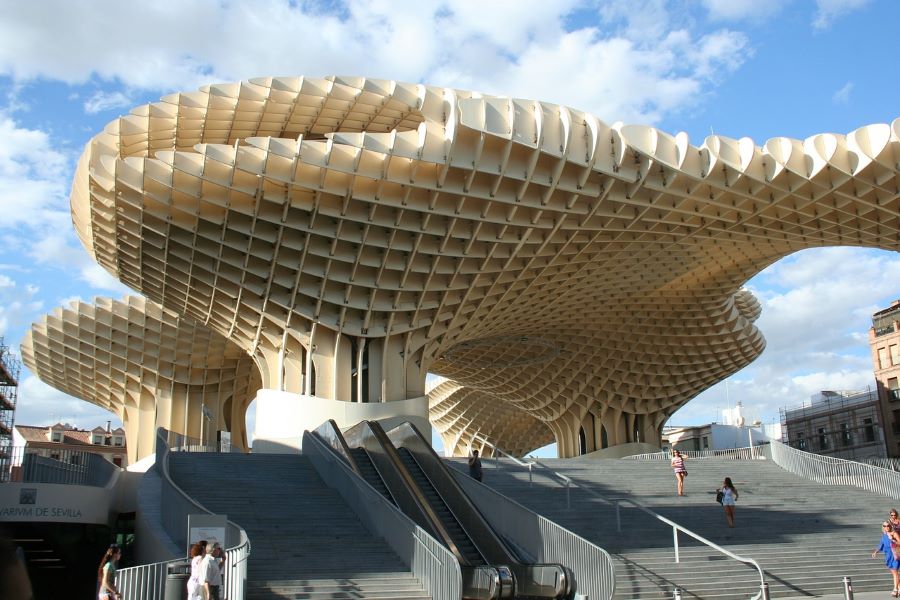
- 6. Metropol Parasol (Las Setas de Sevilla)
- Head toward the historic center to see this distinctive contemporary wooden structure.
- Visit the archaeological Antiquarium beneath it if time permits.
- The elevated walkway provides excellent views across Seville.
- Allow approximately 30–45 minutes.
One of my favorite places to explore in Seville, Las Setas de Seville is active and exciting to explore day time or night but especially during sunset into evening when the structure is lit up and you can explore the roof walkways with amazing views of the monuments around the city. There are also free public performances happening daily.
**Check out Las Setas en Seville in this short video I created visiting at night
- 7. Triana
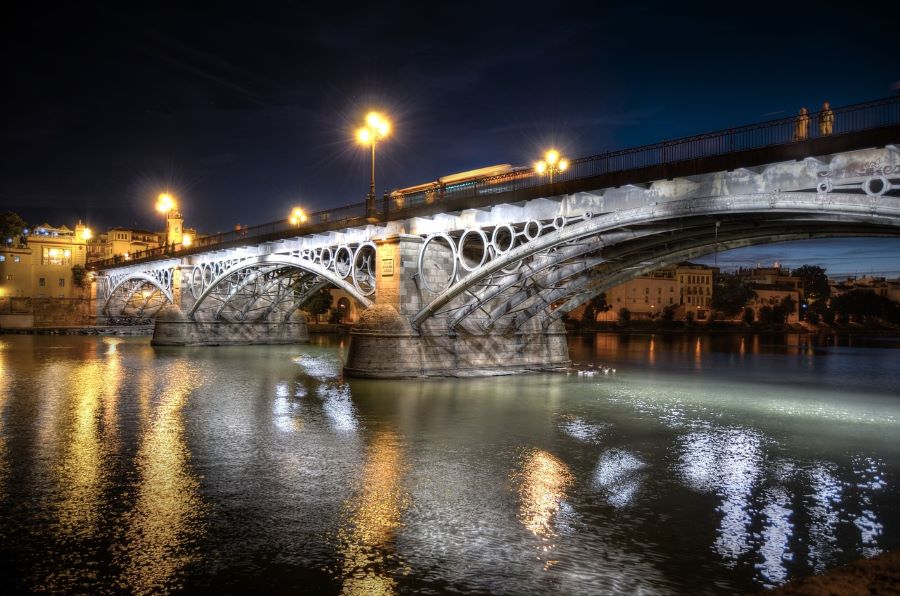
- If you still have time, cross the Puente de Isabel II (Triana Bridge) to explore this traditional neighborhood.
- Visit the streets around Calle San Jacinto and Calle Alfarería, known for ceramics and local character.
- Stop for tapas before returning to the historic center.
A walk around this neighborhood filled with colorful promenades, riverside walkways, shopping and eating venues give a really different and local appeal that you’ll find in this district.
**Check out this video tour of the Triana District below
- Suggested One-Day Order
- Morning: Seville Cathedral → La Giralda → Royal Alcázar.
- Late morning/early afternoon: Santa Cruz → lunch and tapas.
- Afternoon: Plaza de España → María Luisa Park.
- Late afternoon: Metropol Parasol/Las Setas.
- Evening: Triana for a walk, dinner, and traditional Sevillian atmosphere.
- Tip for a One-Day Visit
- Concentrate on the Cathedral, Giralda, Alcázar, Santa Cruz, and Plaza de España, as these provide the strongest introduction to Seville’s history and architecture.
- Book timed admission to the Cathedral and Alcázar in advance when possible, and allow extra time for walking between attractions.
Specialty Foods to Try in Seville
- Espinacas con Garbanzos
- A classic Sevillian dish made with spinach and chickpeas.
- Usually seasoned with garlic, cumin, paprika, and bread.
- Often served as a tapa and is a good vegetarian option.
- Solomillo al Whisky
- Pork tenderloin cooked in a rich garlic, olive oil, and whisky sauce.
- A popular tapa in Seville’s traditional bars.
- Best enjoyed with bread to soak up the sauce.
- Carrillada de Cerdo
- Slow-cooked pork cheeks prepared until very tender.
- Commonly served with a rich wine-based sauce, potatoes, or vegetables.
- A hearty choice for a full meal.
- Pringá
- A traditional Andalusian mixture of slow-cooked pork, beef, and other meats.
- Often served inside a small sandwich known as a montadito de pringá.
- Particularly popular as a casual lunch or tapa.
- Huevos a la Flamenca
- Baked eggs served with tomatoes, peppers, peas, potatoes, and often chorizo or other meats.
- A colorful and filling Andalusian specialty.
- Recipes vary considerably between restaurants.
- Pavía Soldiers
- Strips of battered and fried cod, traditionally served as a tapa.
- The crispy coating makes them particularly popular with a cold drink or other tapas.
- Salmorejo
- A thick, chilled tomato and bread soup originally associated with Córdoba but widely enjoyed throughout Seville.
- Usually topped with chopped hard-boiled egg and jamón serrano.
- Especially refreshing during Seville’s warmer months.
- Gazpacho Andaluz
- A cold soup made primarily from tomatoes, peppers, cucumber, garlic, olive oil, vinegar, and bread.
- Light and refreshing, making it ideal during hot weather.
- Jamón Ibérico
- Thinly sliced cured Iberian ham served as a tapa or appetizer.
- Look for high-quality varieties from areas such as Jabugo in neighboring Huelva Province.
- Montaditos
- Small sandwiches filled with ingredients such as pringá, pork, ham, cheese, or other local specialties.
- An inexpensive way to sample several flavors while exploring Seville’s tapas culture.
- Tortilla Española
- The classic Spanish potato omelet, made with eggs, potatoes, and usually onion.
- Commonly served as a tapa or light meal.
- Torrijas
- A traditional Spanish sweet particularly associated with Holy Week (Semana Santa).
- Bread is soaked in milk or wine, coated with egg, fried, and finished with sugar, cinnamon, or honey.
- Yemas de San Leandro
- A traditional Sevillian sweet made primarily from egg yolks and sugar.
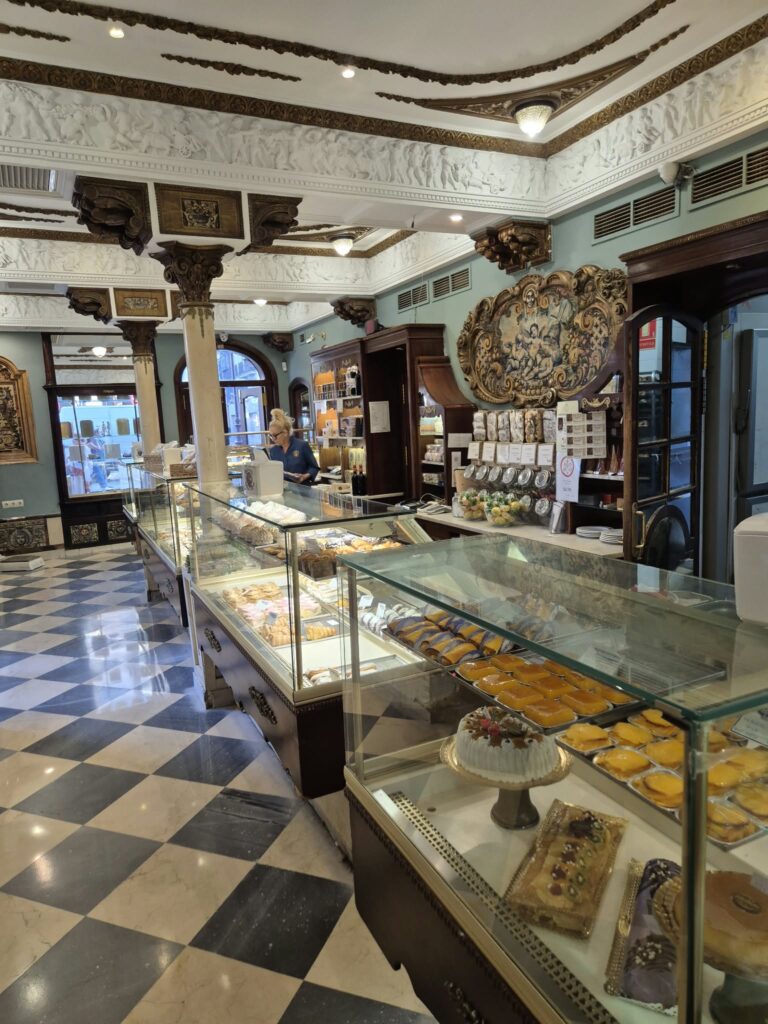
- Associated with the Convent of San Leandro and often purchased as a souvenir or specialty treat.
- Andalusian Olive Oil
- Seville and the surrounding Andalusian region are part of one of the world’s major olive-producing areas.
- Try locally produced extra-virgin olive oil with bread, salads, or traditional dishes.
- What to Drink With Your Food
- Try rebujito, particularly during festivals and warmer weather.
- Local wines, sherry from nearby Jerez, and Spanish beer are also commonly enjoyed with tapas.
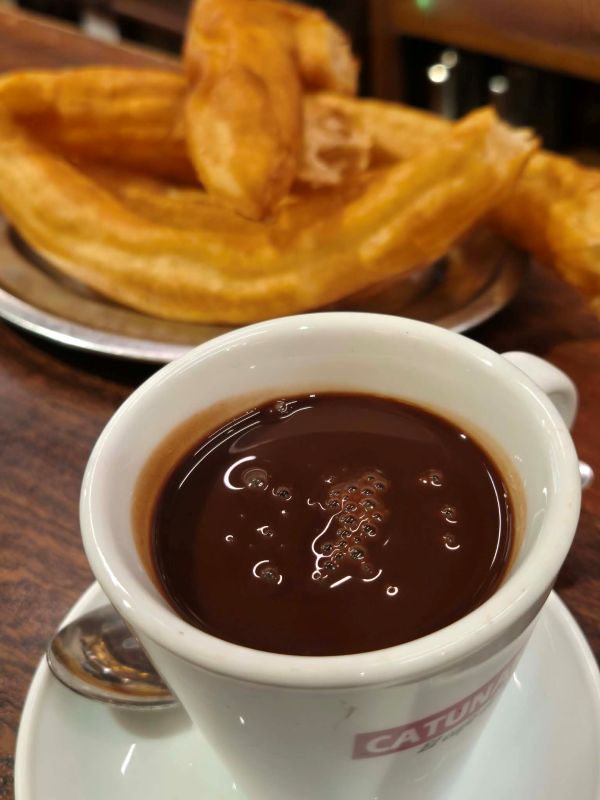
Here’s a nice video food experience introduction about tapas, racions and specialty foods of Seville
If You Have Extra Time and Days Around Seville to explore
I would definitely try to extend your stay a few days or longer to enjoy more places around the city to visit and even places outside of the city that is a fantastic and different historic visit, landscape or place of interest.
1. Itálica – Half-Day Trip
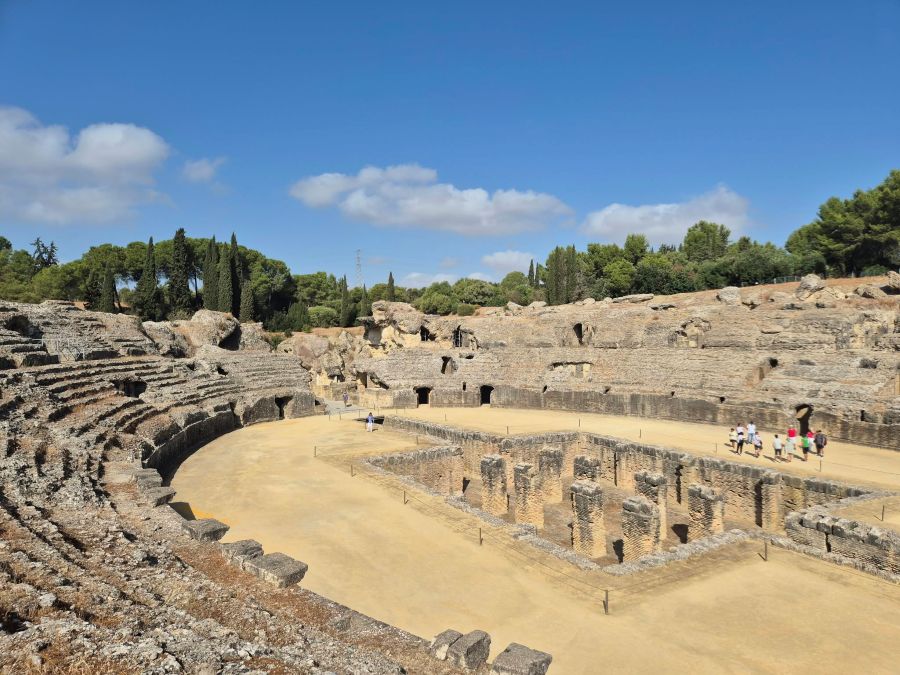
- Visit the ancient Roman city of Itálica, located in Santiponce, about 10 km northwest of Seville.
- Explore the remarkably preserved Roman amphitheater, once capable of holding thousands of spectators.
- Walk through the ancient streets and see the remains of Roman houses, public buildings, and impressive mosaic floors.
- Allow about 3–4 hours, including transportation.
** here’s a short video on visiting Italica and the gorgeous Villas and mosaics of the Roman Site
2. Carmona – Half-Day or Full-Day Trip
- Explore the historic hilltop town of Carmona, east of Seville.
- Walk through its old quarter and see the Puerta de Sevilla, churches, palaces, and traditional Andalusian streets.
- Visit the Roman necropolis and enjoy views across the surrounding countryside.
- A good choice for travelers interested in Roman and medieval history.
3. Córdoba – Full-Day Trip
- Take a high-speed train from Seville for a day exploring Córdoba.
- Visit the Mezquita-Catedral, one of Spain’s most remarkable historic monuments.
- Wander through the Judería, the historic Jewish quarter, and see the Roman Bridge and Alcázar.
- If you have additional time, visit the archaeological site of Medina Azahara outside the city.
4. Jerez de la Frontera – Full-Day Trip
- Discover Jerez, famous for its sherry wine, equestrian traditions, and flamenco culture.
- Visit a traditional sherry bodega to learn about production and aging.
- Explore the Alcázar of Jerez and historic city center.
- Consider attending a traditional Andalusian horse show if your schedule allows.
5. Cádiz – Full-Day Trip
- Travel south to Cádiz, one of Europe’s oldest continuously inhabited cities.
- Walk through the historic center and visit Cádiz Cathedral and the Tavira Tower.
- Explore the waterfront, plazas, and traditional markets.
- Enjoy local seafood and other specialties before returning to Seville.
6. Arcos de la Frontera – Full-Day Trip
- Visit one of the most scenic Pueblos Blancos (White Villages) in Andalusia.
- Explore the steep historic streets leading toward the hilltop old town.
- See the Basilica of Santa María de la Asunción and the Castillo de Arcos area.
- Stop at viewpoints overlooking the Guadalete River valley.
7. Vejer de la Frontera – Full-Day Trip
- Explore the whitewashed streets and historic center of Vejer de la Frontera.
- Discover its Moorish-influenced architecture, old walls, churches, and viewpoints.
- Try local dishes influenced by both Andalusian and North African traditions.
- Combine the visit with nearby El Palmar Beach if you have a car and enough time.
8. El Puerto de Santa María – Full-Day Trip
- Head toward the Bay of Cádiz to explore this historic coastal town.
- Visit Castillo de San Marcos and the historic center.
- Explore the local food scene, particularly seafood and traditional Andalusian dishes.
- Its location makes it possible to combine the visit with Cádiz or Jerez.
9. Seville’s Less-Visited Neighborhoods
- Spend additional time exploring Triana, famous for ceramics, flamenco, and its riverside setting.
- Visit Macarena and see the Basilica of La Macarena and historic city walls.
- Explore San Lorenzo and Alameda de Hércules for cafés, restaurants, and local atmosphere.
- Walk along the Guadalquivir River for different views of the city.
10. Palacio de las Dueñas
- Visit this historic palace associated with the House of Alba.
- Explore its courtyards, gardens, rooms, artwork, and architectural details.
- It provides a quieter alternative to some of Seville’s busiest attractions.
11. Museo de Bellas Artes de Sevilla
- Spend a few hours viewing Spanish and Andalusian paintings.
- The collection includes important works from the Seville School and the Spanish Golden Age.
- The former convent building itself is also an attraction.
12. More Time for Seville’s Food and Culture
- Dedicate an evening to a tapas crawl through different neighborhoods.
- Try specialties such as espinacas con garbanzos, carrillada, pringá, salmorejo, and montaditos.
- Look for a traditional flamenco performance in Triana or Santa Cruz.
- Leave some unplanned time to enjoy Seville’s plazas, cafés, markets, and evening atmosphere.
Suggested Extra-Time Itinerary
- 2 days: Add Triana, Las Setas, Palacio de las Dueñas, and the Museum of Fine Arts.
- 3 days: Add Itálica and another nearby destination such as Carmona.
- 4 days: Take a full-day trip to Córdoba.
- 5–6 days: Add Cádiz, Jerez, Arcos de la Frontera, or Vejer de la Frontera, depending on your interests.
- A week: Use Seville as a base for several day trips while still allowing plenty of time to explore the city’s neighborhoods, food, museums, and historic sites.
Check out these other popular posts on visiting Seville and surrounding areas
If you want to explore more of Seville, check out my other posts below to some of the main attractions and must visit sites around the city.
Conclusion to visiting Seville
Visiting Seville is an unforgettable way to experience the history, architecture, food, and vibrant culture of Andalusia. From the magnificent Seville Cathedral and Royal Alcázar to the colorful streets of Santa Cruz, the beautiful Plaza de España, and the lively atmosphere of Triana, the city offers something to discover around almost every corner. If you have extra time, extend your journey beyond the city to explore fascinating destinations such as Itálica, Córdoba, Cádiz, Jerez de la Frontera, and the picturesque white villages of Andalusia. Whether you have just one day or several days to explore, Seville provides a wonderful combination of historic landmarks, traditional cuisine, and authentic Spanish experiences. Start planning your trip to Seville, choose the attractions and day trips that interest you most, and discover the character and beauty of this remarkable Andalusian city for yourself!
About Noel Morata with Visit Spain and Mediterranean.com
Having lived in Andalucia, I love exploring Spain on road trips, short to longer stays and really discovering the main sites, cool neighborhoods and unique and off the wall venues at each destination. I share tips to visiting, unique vistas and places to check out in each place I mention and why it’s a place of interest and worth checking out. The cuisine of each place I visit is always exceptional where I visit the local markets, specialty food purveyors and delicious and unique places to eat that showcase the foods of the area.
I love traveling through the different parts of the province of Seville. Seville is one of those Andalucian cities that is filled with exciting energy, history and stunning architecture during the day or nighttime. It’s an exciting place to visit with so much to do and see in one full day or more. Thanks for checking out Visit Spain and Mediterranean, please check out my other posts to visiting Cadiz and surrounding regions on the links above.
1 thought on “One day in Seville”