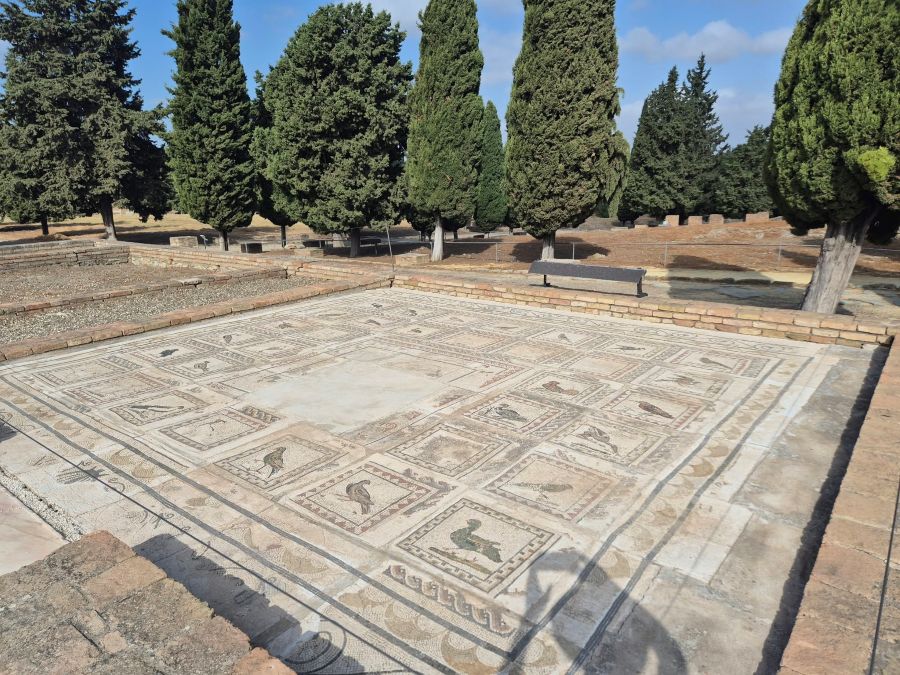
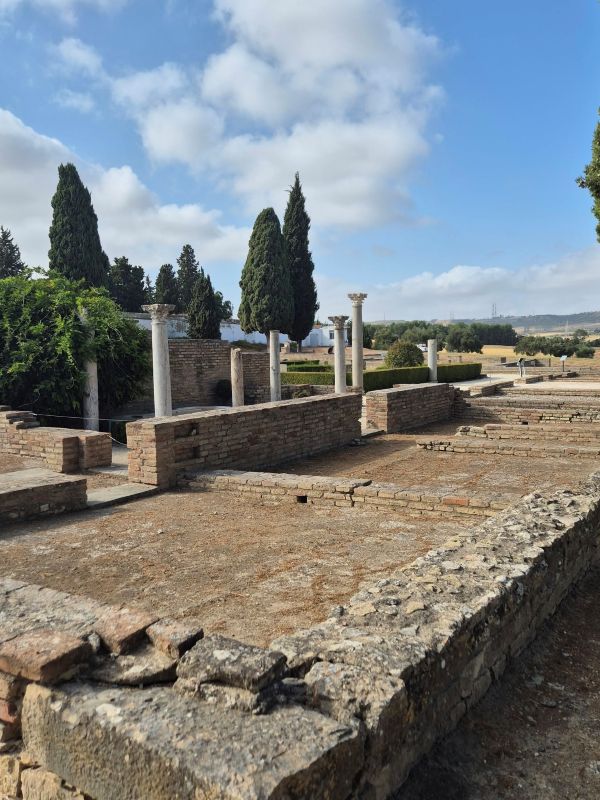
I was excited to visiting Italica in Spain which is just a short drive north of Seville and relatively easy to drive to or take public transportation. Having seen some initial pictures of the ruins and especially tile mosaics which as a ceramicist, I love seeing these antiquities which was so well preserved. It was fantastic to visit the many villas in the city perimeter and then explore some of the major monuments located in the ruins.
The ruins at Italica is very well laid out and easy to do a self tour with informational placards at the main spots done in Spanish and English to explain the sites you are currently visiting. It was really well laid out and even the video and mini museum was a nice tour of the entire site. I enjoyed my tour of Italica and share some of my favorite places and photographs of my visit there.
Visiting Italica in Spain, north of Seville
A Brief History of Visiting Italica
Itálica, located just outside Seville in the town of Santiponce, was founded in 206 BC by the Roman general Scipio Africanus after his victory over the Carthaginians during the Second Punic War. It became one of the earliest Roman settlements in Hispania and later grew into an important city, producing the Roman emperors Trajan and Hadrian. Under Hadrian, the city was greatly expanded with impressive streets, public buildings, houses, and the famous amphitheater, whose ruins remain among Spain’s most remarkable Roman monuments. Today, visitors can walk through the ancient city and see its remarkably preserved mosaic floors, Roman houses, baths, temples, and amphitheater, providing a fascinating glimpse into daily life in Roman Hispania.
How to Get to Itálica
- From Seville by bus
- Take the M-170A or M-170B bus from Seville toward Santiponce.
- The journey generally takes around 30–40 minutes, depending on traffic and the departure point.
- Get off at Santiponce, then walk a short distance to the archaeological site.
- By car
- Itálica is approximately 9 km northwest of central Seville.
- Drive toward Santiponce via the A-66 and follow signs for the archaeological site.
- Driving takes roughly 20–25 minutes, depending on traffic.
- Parking is available near the entrance.
I ended up driving which allowed more flexibility to time it to my schedule and the separate location of the theater to the rest of the site made it possible to see both areas relatively easier with a car.
- By taxi or rideshare
- A taxi from central Seville provides a convenient direct option and usually takes around 20 minutes.
- This can be particularly useful if traveling with luggage, children, or a group.
- From Seville Santa Justa train station
- Take a taxi directly to Itálica, or travel into central Seville and connect with the bus service to Santiponce.
- From other Andalusian destinations
- Travel first to Seville, which has extensive train and bus connections with cities such as Córdoba, Cádiz, Málaga, and Granada.
- From Seville, continue to Itálica by bus, taxi, or car.
- Travel tip
- Allow at least half a day for the visit, particularly if you want time to explore the amphitheater, Roman streets, ancient houses, and mosaics at a relaxed pace.
Top Sites to Visit at Itálica
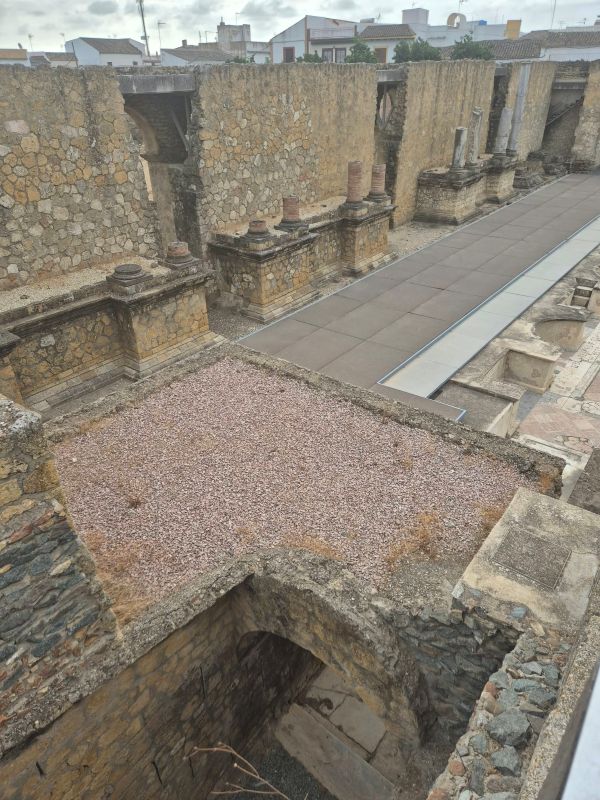
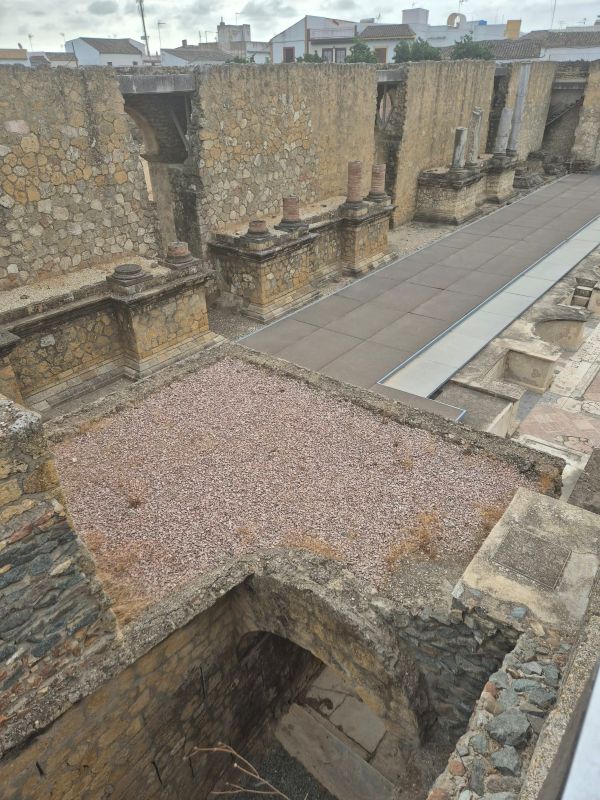
Allow yourself time to explore this extensive city and ruins, there is a route following the city homes and villaa
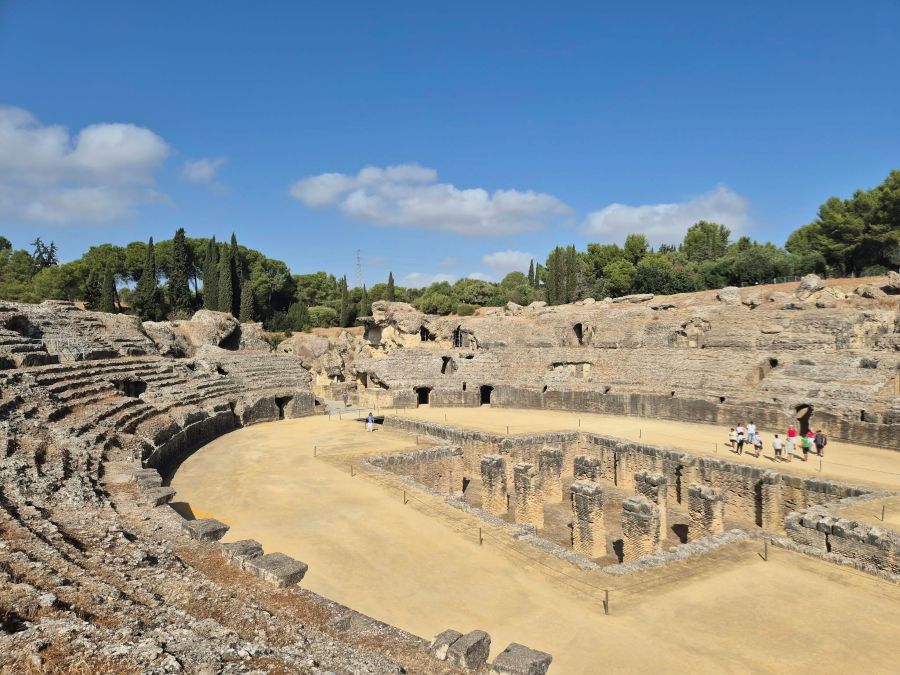
- Itálica Amphitheater
- The most spectacular monument in the archaeological site and one of the largest Roman amphitheaters in Hispania.
- Once accommodated thousands of spectators for gladiatorial contests and other public spectacles.
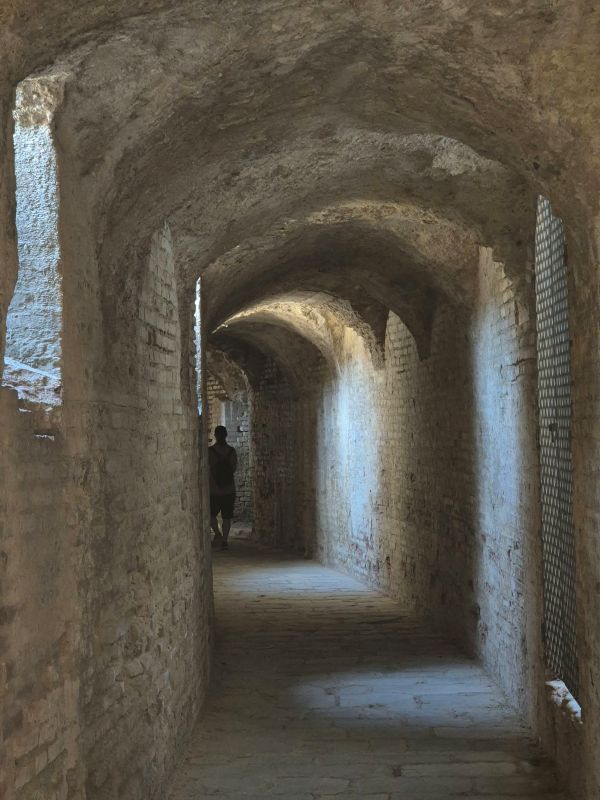
- Explore the enormous arena, underground service areas, passageways, and seating sections.
- Its dramatic setting has also made it recognizable to visitors familiar with Game of Thrones.
- House of the Planetarium (Casa del Planetario)
- A large Roman residence featuring an impressive courtyard and beautifully preserved mosaic floors.
- The famous Planetarium Mosaic depicts the seven celestial bodies associated with the days of the week.
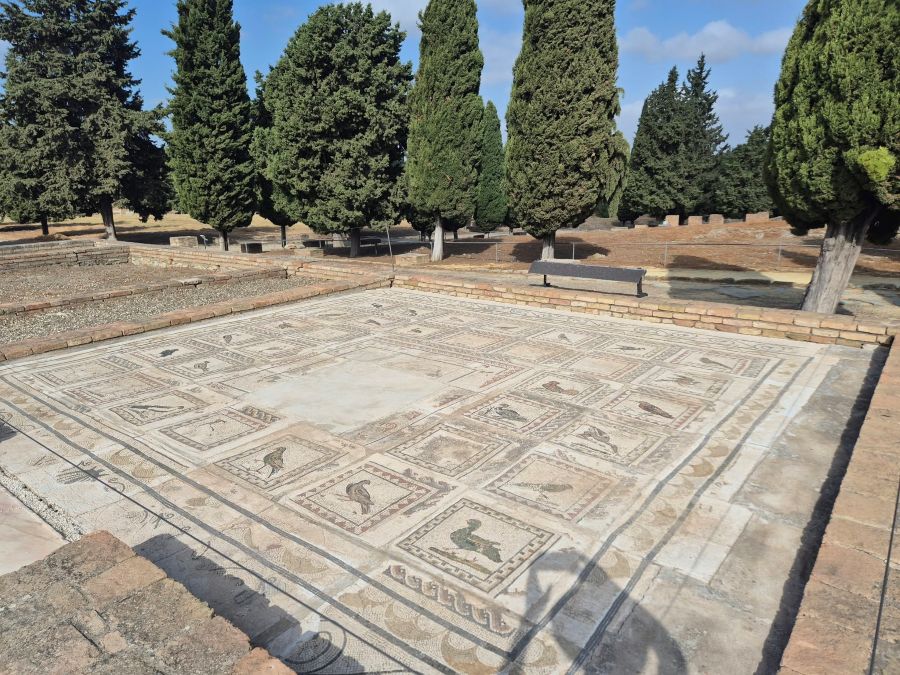
- House of the Birds (Casa de los Pájaros)
- One of Itálica’s finest examples of an elite Roman home.
- Its rooms were arranged around courtyards and decorated with colorful geometric and figurative mosaics.
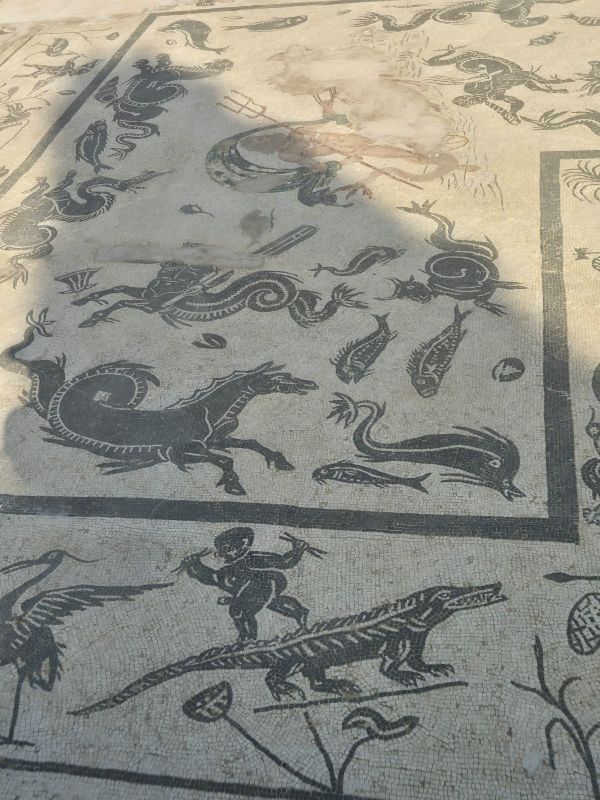
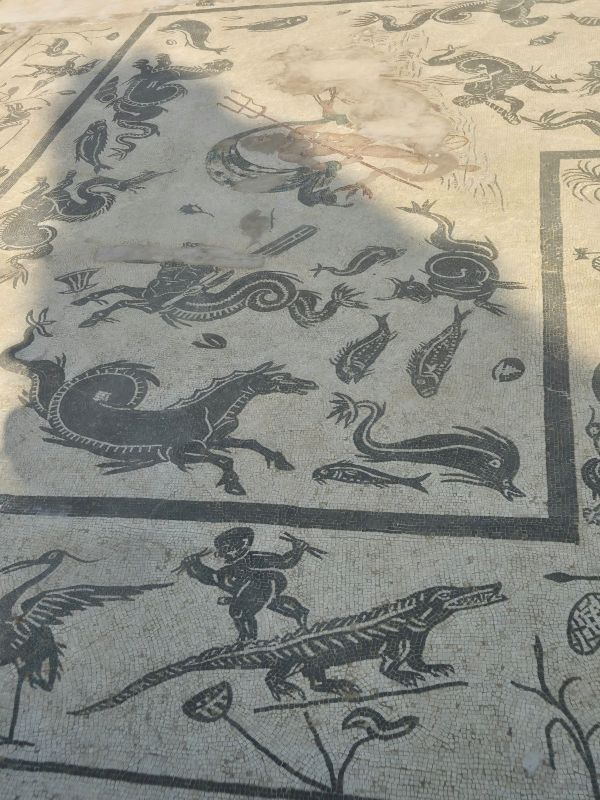
- House of Neptune
- A substantial Roman residence containing a large bathing complex.
- Look for its elaborate mosaic decorations and remains of private thermal baths.
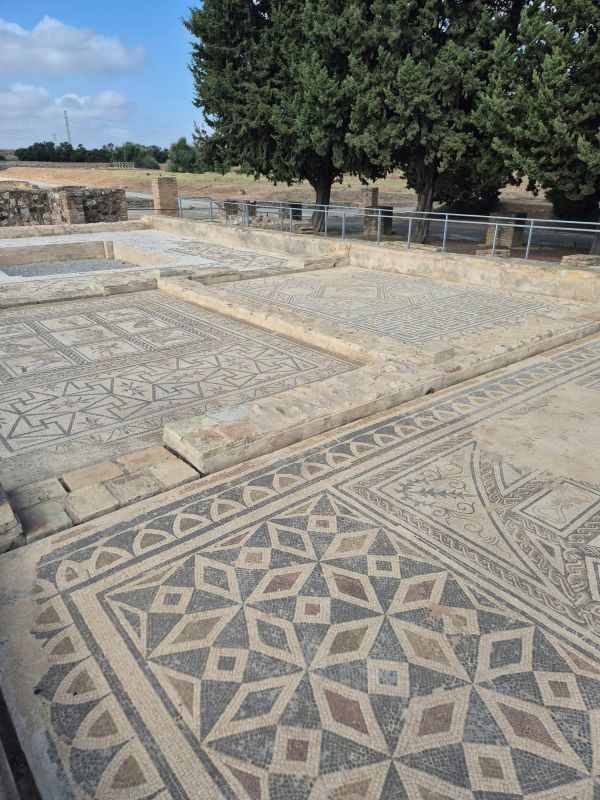
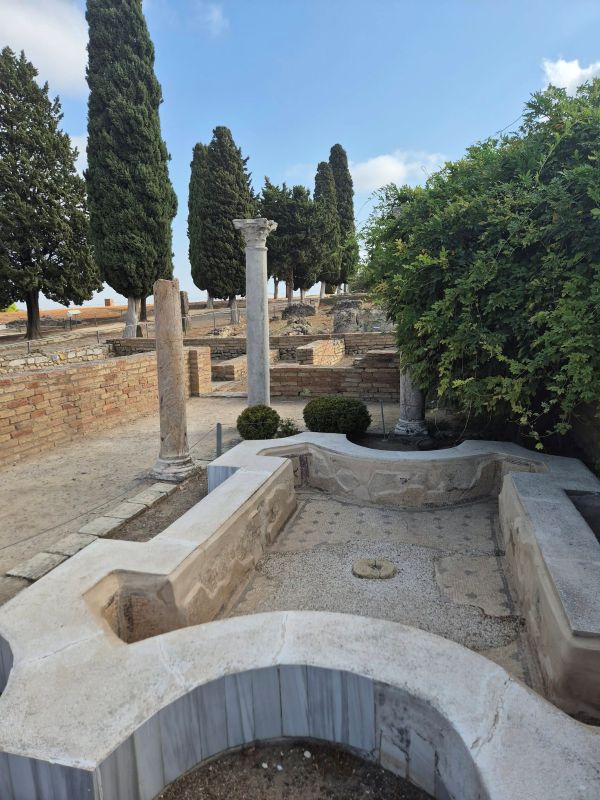
- House of the Exedra
- A spacious aristocratic residence with courtyards, gardens, and decorated rooms.
- Its unusual layout provides insight into the luxurious lifestyle of wealthy Roman inhabitants.
- Traianeum
- A monumental religious complex dedicated to the emperor Trajan, who was born in Itálica.
- The surviving remains reveal the scale and importance of imperial architecture in the expanded city.
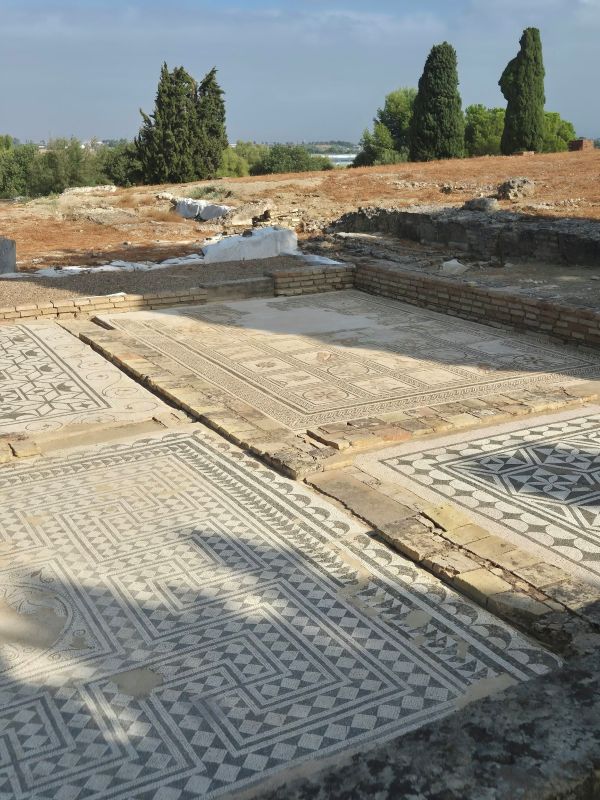
- Roman Streets and Sidewalks
- Walk along the remarkably broad ancient streets, many of which retain sections of their original paving.
- Raised sidewalks and stone features help visitors visualize how people moved around the Roman city.
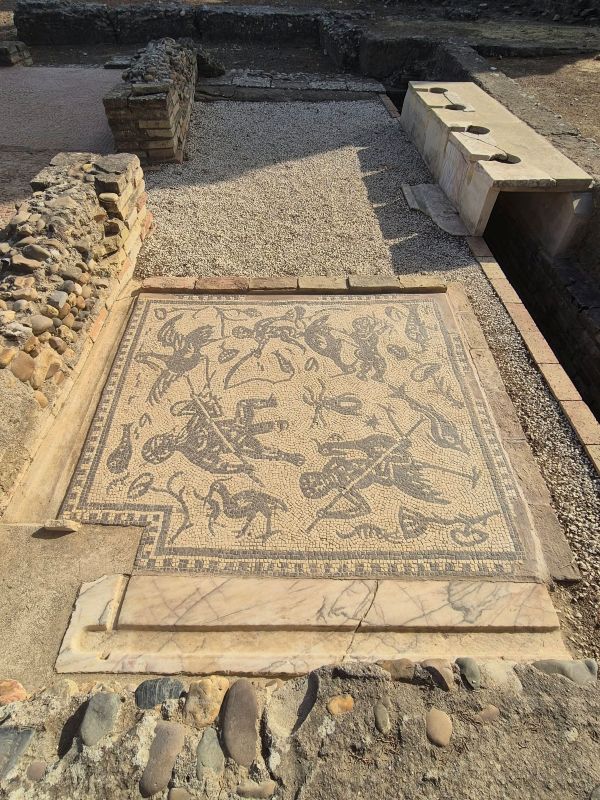
- Ancient Baths
- Explore the remains of Roman bathing facilities, which were important centers of hygiene and social life.
- The surviving structures reveal elements of the sophisticated Roman water and heating systems.
- Mosaic Floors
- Throughout the residential quarter, look for intricate geometric designs, mythological scenes, and decorative motifs.
- These mosaics are among the highlights of a visit to Itálica and demonstrate the wealth of some of the city’s inhabitants.
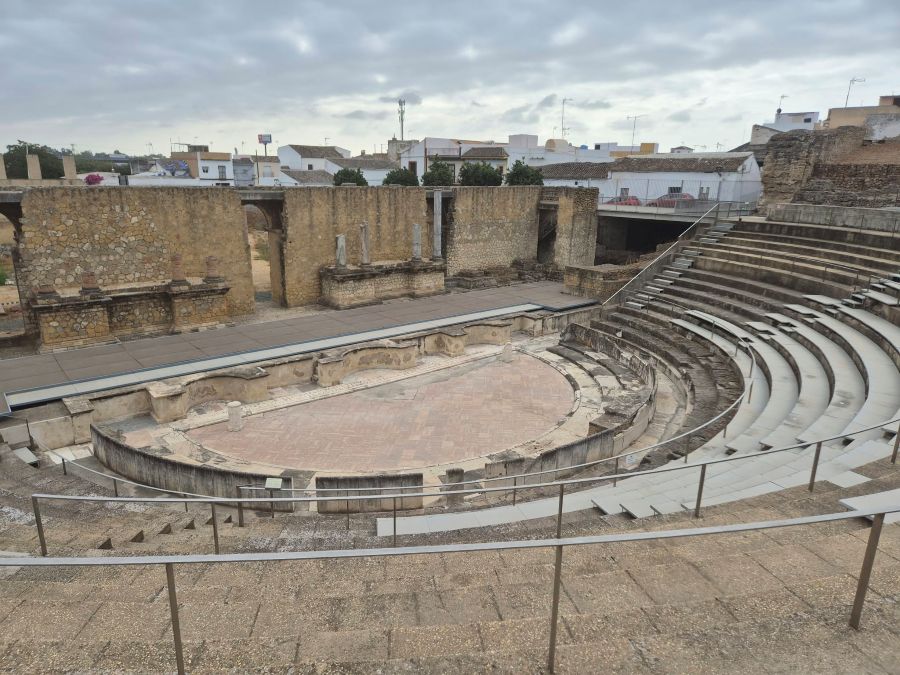
- Roman Theater
The Roman theater located outside of the ancient city is also open to visiting and showcases a spectacular location and well-preserved theater used for plays, public entertainment and shows that were the standard for that timeframe. The theater is still being used for public functions.
- City Walls and Urban Remains
- Sections of the ancient defensive walls and other archaeological remains help reveal the size and development of Itálica.
- The site offers an opportunity to see how a Roman city was planned and expanded during the imperial period.
Tip – if you’re fond of Roman Ruins, give yourself a minimum of half a day, it’s a large site and the urban villas are just stunning to walk through especially with all the mosaic floors and amaziung villas. Check out the tips and details section below for more information..
More Tips and Details for Visiting Itálica
- Ticket entry prices
- Admission to the archaeological site is free for citizens of the European Union who can provide proof of EU citizenship.
- For visitors from outside the EU, the published admission price is €1.50.
- Special cultural activities and guided events may also be offered free of charge, although advance reservations can be required.
- Opening hours
- From September 21 to March 31, Itálica is open Tuesday–Saturday, 9:00 a.m.–6:00 p.m.
- On Sundays, public holidays, and the Monday before a public holiday, it is open 9:00 a.m.–3:00 p.m.
- It is normally closed on Mondays, except when Monday is the eve of a public holiday. (Junta de Andalucía)
- During the summer period, hours are shorter, so check the official schedule before traveling.
- Allow enough time
- Plan on spending around 2–3 hours exploring the site, particularly if you want to see the amphitheater, Roman houses, mosaics, streets, and public buildings without rushing.
- Wear comfortable shoes
- The archaeological site involves considerable walking over uneven and sometimes paved surfaces. Comfortable walking shoes are highly recommended.
- Protect yourself from the sun
- Much of Itálica is outdoors with limited shade. Bring water, sunscreen, a hat, and sunglasses, especially during the warmer months.
- Visit early in the day
- Morning visits are generally more comfortable in summer and give you more time to explore before the site closes. The area is exposed and gets very hot with little cover from the sun.
- Bring a camera
- The mosaics, Roman streets, amphitheater, and expansive archaeological remains offer excellent photography opportunities.
- Visit independently
- The standard visit is generally self-guided, and the archaeological complex does not normally provide its own regular guide service.
- Special guided tours and cultural programs are sometimes organized and may require advance booking.
- Check for special events
- The site occasionally hosts guided visits, workshops, and special programs, including summer evening events. These can provide a different way to experience the ruins. (Junta de Andalucía)
- Respect the archaeological remains
- Stay on designated paths, do not climb on ruins or touch mosaics, and follow instructions from site staff.
- Bicycles, scooters, and pets are not permitted inside the archaeological complex.
- Location
- Itálica is at Avenida de Extremadura 2, Santiponce, Seville, approximately 9 km northwest of central Seville.
- Visit the welcome center and displays
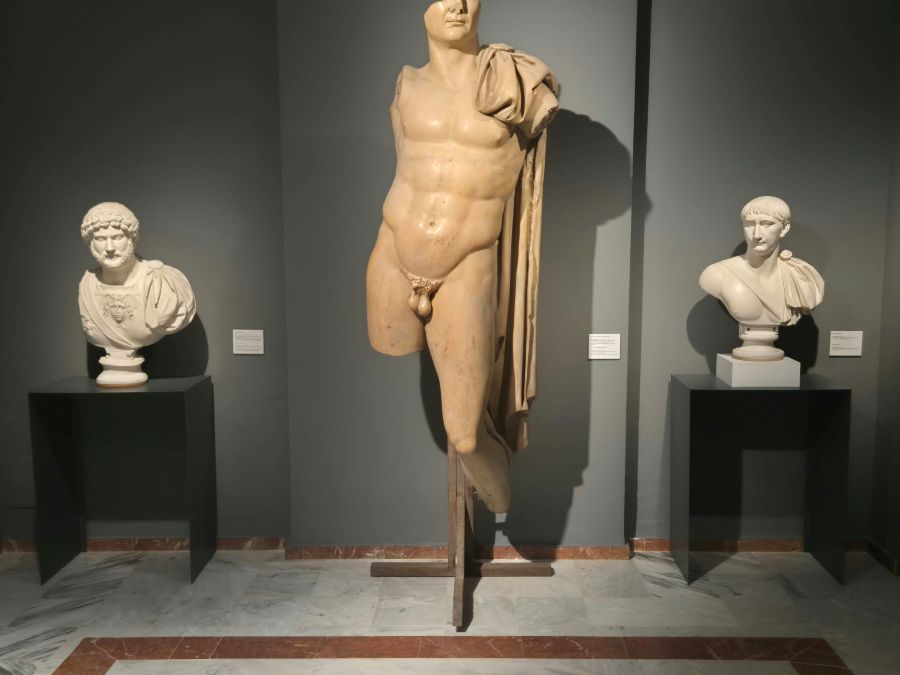
- There is a small welcome center and museum you can visit for a short film and reproduction works and displays to experience.
- Official information
- Check the Junta de Andalucía’s official Itálica page before your visit for current opening hours, special closures, activities, and admission information. (Junta de Andalucía)
Tip – I found that driving to Italica was the easiest option with the other options requiring a lot more walking to just to get to the main entrance of the site. The public theater is also further away so having a car made it easier to see both sites with easy parking just in front of the entrance. A second option would be to do a group tour or hire a private car or taxi to get you to the site directly.
Definitely go early because the area is exposed with hardly any cover so it can get hot, so bring comfortable shoes and water to keep hydrated.
Here’s a quick video tour of the city and villa ruins with the gorgeous mosaic floors
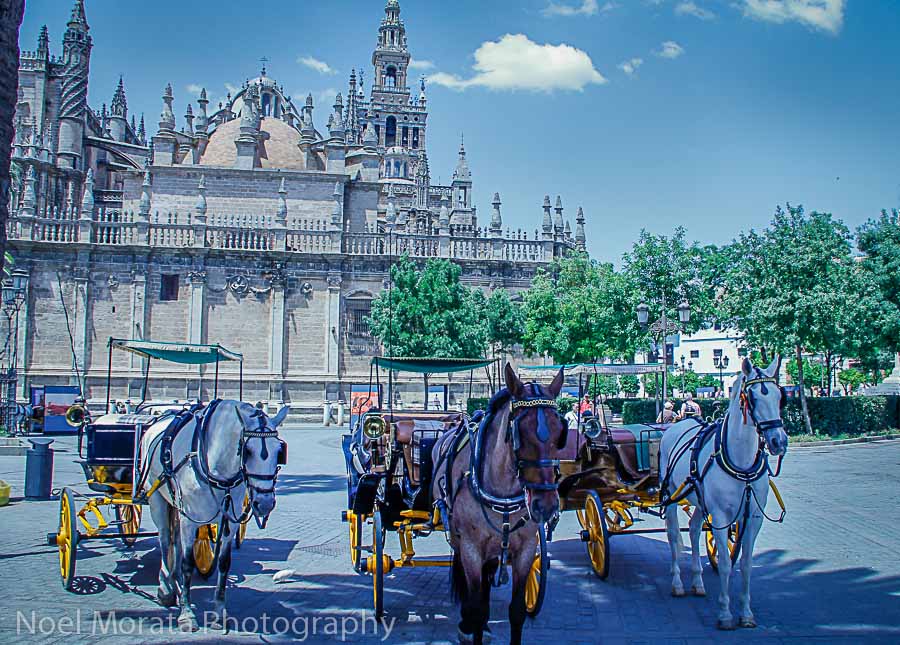
Check these Other places to visit in Seville Province
These are some other places worth visiting in Seville and surrounding areas that I am highlighting to visit below:
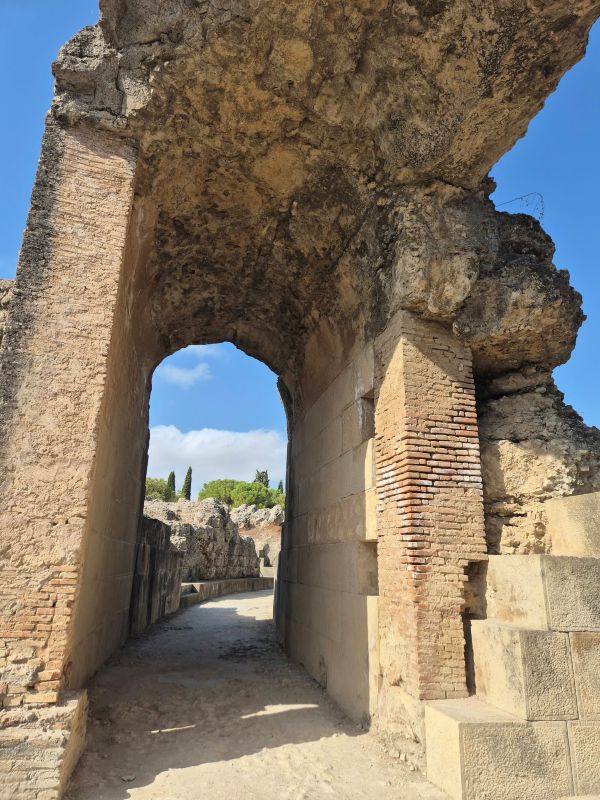
Conclusion to visiting Italica in Seville
Italica being so close to Seville is really worth the extra time to explore especially if you love seeing antiquities and Roman Ruins. The site is very well preserved and laid out so it’s easy to do a self-tour and just read all the information placards to each particular site you’re visiting. I loved how easy it was to visit and the real grandeur of the place and must have been during its heyday.
Outside of the complex, there are places to eat, get gas and some small shops in the downtown area if you want to explore more.
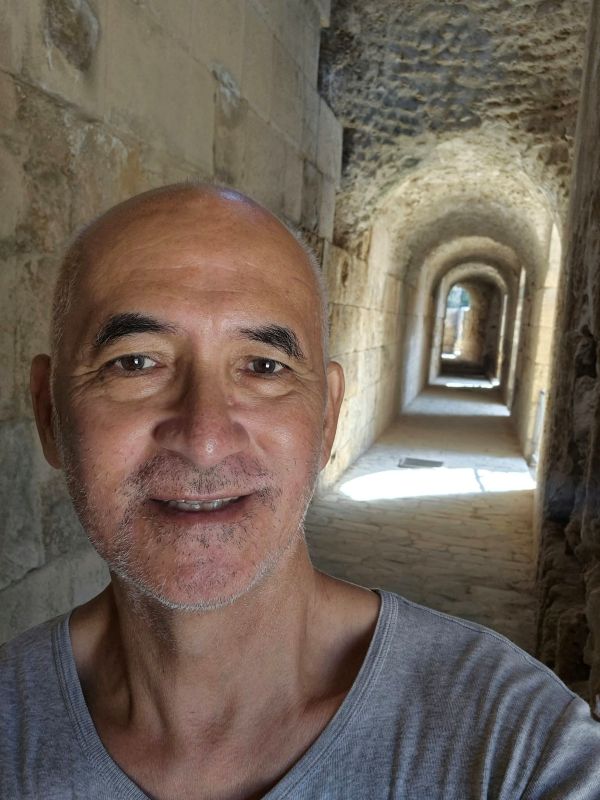
About Noel Morata with Visit Spain and Mediterranean.com
Having lived in Andalucia, I love exploring Spain on road trips, short to longer stays and really discovering the main sites, cool neighborhoods and unique and off the wall venues at each destination. I share tips to visiting, unique vistas and places to check out in each place I mention and why it’s a place of interest and worth checking out. The cuisine of each place I visit is always exceptional where I visit the local markets, specialty food purveyors and delicious and unique places to eat that showcase the foods of the area.
I love traveling through the different parts of Seville province. Italica, just north of Seville makes for an easy Roman site to visit and quite impressive to see the scale of this city. The site is very well laid out and easy to tour on your own and at your own pace. There really is a lot to see here so you do need a minimum of a half day to see everything including the video and displays. Thanks for checking out Visit Spain and Mediterranean, please check out my other posts to visiting Cadiz and surrounding regions on the links above.
1 thought on “Italica in Spain”