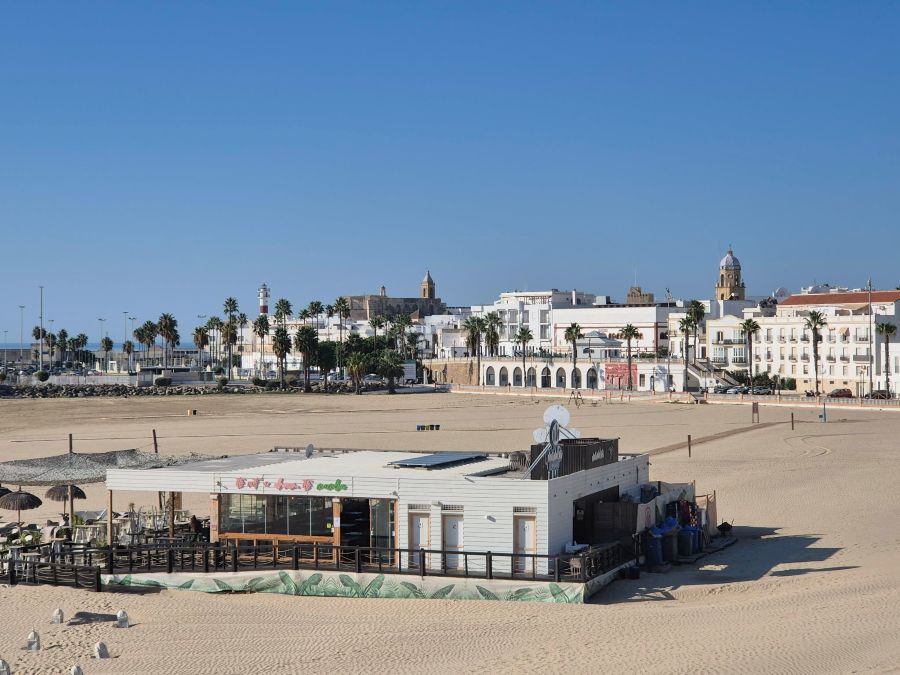
I decided to head out on a drive along the coastal route when I had free time to explore areas outside of Cadiz city and heard through some friends to do a visit to Rota, Spain. Not really knowing too much about Rota, I decided to do a day trip to explore the area.
Rota slowly unfolds itself from the wonderful walking promenades that lead to some beautiful squares and flanked by striking architecture and historic buildings. The main Castillo de Luna dominates the main square and is a must visit landmark along with the many churches you can explore along your tour of the old town district. We detail the many different attractions to see in the city below on a quick day visit along with a nice stroll along the waterfront and beach areas.
A day Visit to Rota, Spain
How to get to Rota, Spain
If you are visiting Rota, Cádiz, there are several convenient ways to reach the town, particularly from Cádiz City and El Puerto de Santa María.
How to Get to Rota by Public Transport
- From Cádiz City
- Bus: Regional buses connect Cádiz with Rota.
- The M-062 runs from Cádiz through El Puerto de Santa María to Rota Bus Station.
- Another option is the M-060/M-061, which also connects Cádiz, El Puerto and Rota, with some services continuing to Costa Ballena. (Transport Consortium of Andalucia)
- Boat: A seasonal/regular maritime connection, B-065, operates between the Cádiz maritime terminal and Rota, providing a scenic alternative to the bus.
- From El Puerto de Santa María
- Bus: This is one of the easiest ways to reach Rota.
- Services such as M-060, M-061, M-062 and M-360 connect El Puerto’s railway station area with Rota.
- Travel time is generally around 30–40 minutes, depending on the route and traffic.
Getting to Rota by Train
- Rota does not have a conventional passenger railway station.
- The nearest useful railway station is El Puerto de Santa María, which is served by the Cercanías C-1 line connecting Cádiz, El Puerto, Jerez and Jerez Airport.
- From El Puerto railway station, continue to Rota by regional bus or taxi.
Getting to Rota by Car
- From Cádiz: Follow the CA-35/A-4 area toward El Puerto, then continue west toward Rota.
- From El Puerto de Santa María: Follow the A-491 toward Rota.
- From Jerez de la Frontera: Drive toward El Puerto and then take the A-491 to Rota.
- Driving gives you greater flexibility if you also want to explore Costa Ballena, Chipiona or the surrounding Cádiz coast.
I ended up driving here to save time and have more flexibility of when to stop and enjoy more places along the way. Parking was relatively easy with a large parking lot just outside the old town city walls and paying through a kiosk station.
Getting to Costa Ballena
- If your destination is Costa Ballena, rather than central Rota, check the bus destination carefully.
- The M-060 and M-061 include services between Costa Ballena, Rota, El Puerto and Cádiz. (
Best Options for Visitors
- From Cádiz: Bus or the Cádiz–Rota ferry.
- From El Puerto: Regional bus is particularly convenient.
- From Jerez: Train to El Puerto + bus to Rota, or drive.
- For exploring several coastal towns: Renting a car provides the most flexibility.
- For a scenic experience: Consider the Cádiz–Rota boat when its schedule fits your plans.
Tip: Bus and ferry schedules vary by weekday, weekend, and season, so check the Consorcio de Transportes de Andalucía timetable immediately before traveling. The current timetable shows several Cádiz–Rota services and identifies which operate on weekdays versus weekends/holidays. (Transport Consortium of Andalucia)
A brief history of Rota, Spain
Rota, on the Atlantic coast of Cádiz Province, has a long history shaped by its strategic location between the Bay of Cádiz and the Atlantic Ocean. The area was inhabited in ancient times, with Phoenician and Roman influences, and the town developed further during the Islamic period, when it was known as Rabita Ruta. After the Christian conquest in the 13th century, Rota became part of the territories controlled by the House of Arcos and later developed into an important coastal settlement. Its Castillo de Luna, built in the 13th century and expanded in later centuries, reflects this medieval heritage. Over time, Rota became closely associated with fishing, agriculture, vineyards, and maritime trade. In the 20th century, the construction of the Naval Station Rota transformed the local economy and gave the town an important strategic role in Spain’s relationship with the United States. Today, Rota combines its historic old town and maritime traditions with beaches, tourism, and its modern naval community. I noticed that the station is very close to the city and I’m sure very supportive to the local economy, but I didn’t learn that much about the US base and why it is located in Rota.
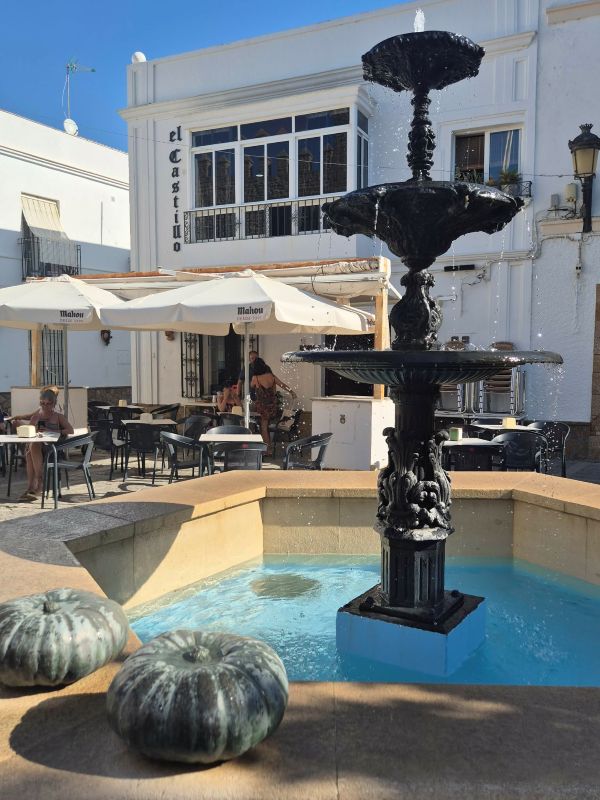
Top Attractions to Explore Around Rota, Spain
I explored most of the venues below and researched other places for you to also discover one your own, if you have free time to explore of this coastal city.
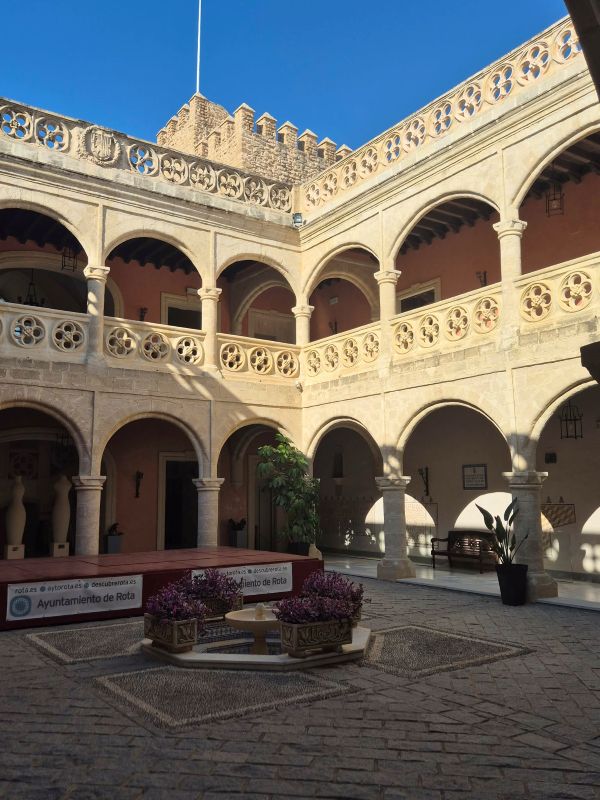
1. Castillo de Luna
- One of Rota’s most important historic landmarks.
- Built in the 13th century on the remains of an earlier Islamic fortress.
- Features attractive courtyards, towers, arches, and historic interiors.
- Located in the heart of Rota’s old town.
- A good starting point for exploring the town’s history.
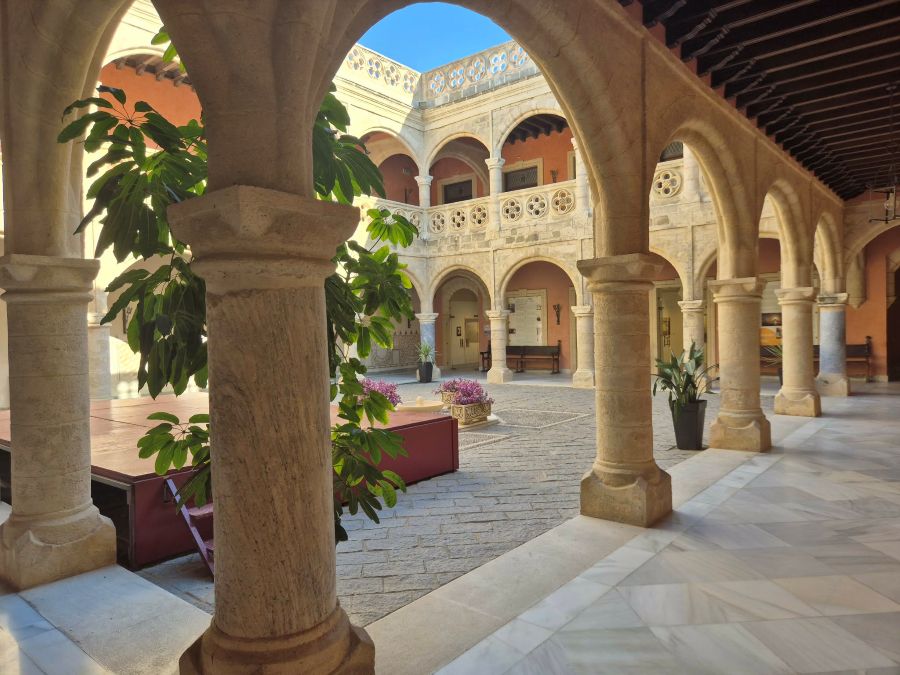
The castillo is free to enter and enjoy, I loved to see the various exhibits, paintings and walking in the large center atrium area to photograph.
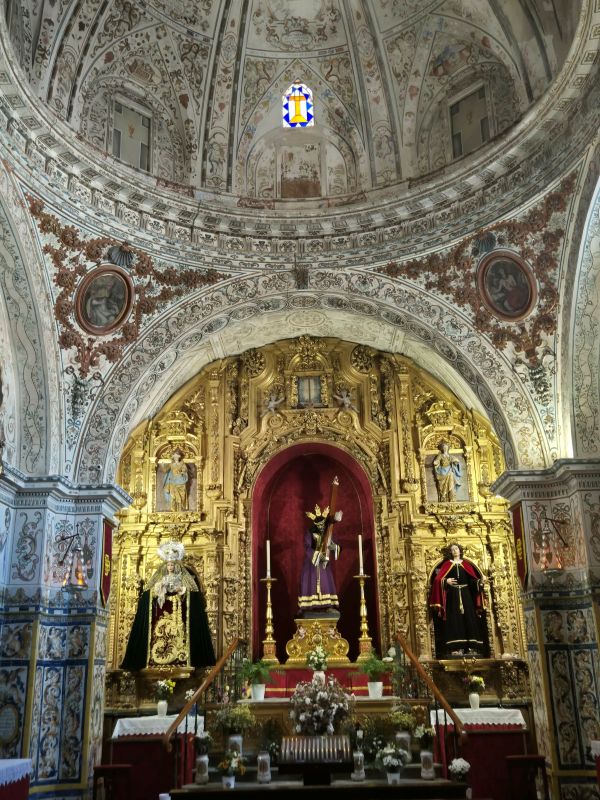
2. Iglesia de Nuestra Señora de la O
- Historic church located beside Castillo de Luna.
- Built mainly during the 16th century.
- Notable for its Gothic, Renaissance, and Baroque architectural elements.
- The interior contains impressive chapels and religious artwork.
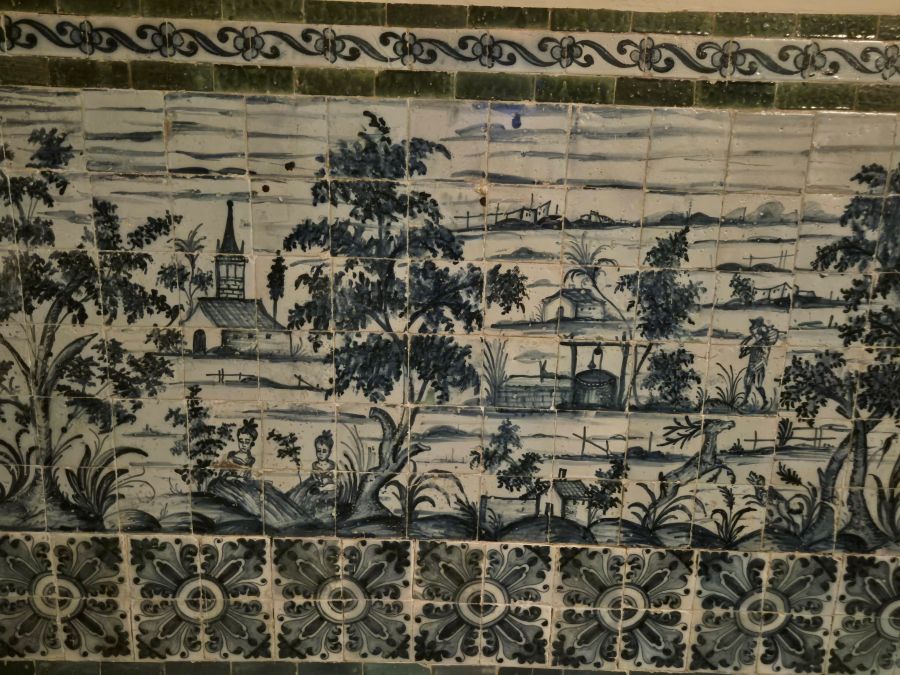
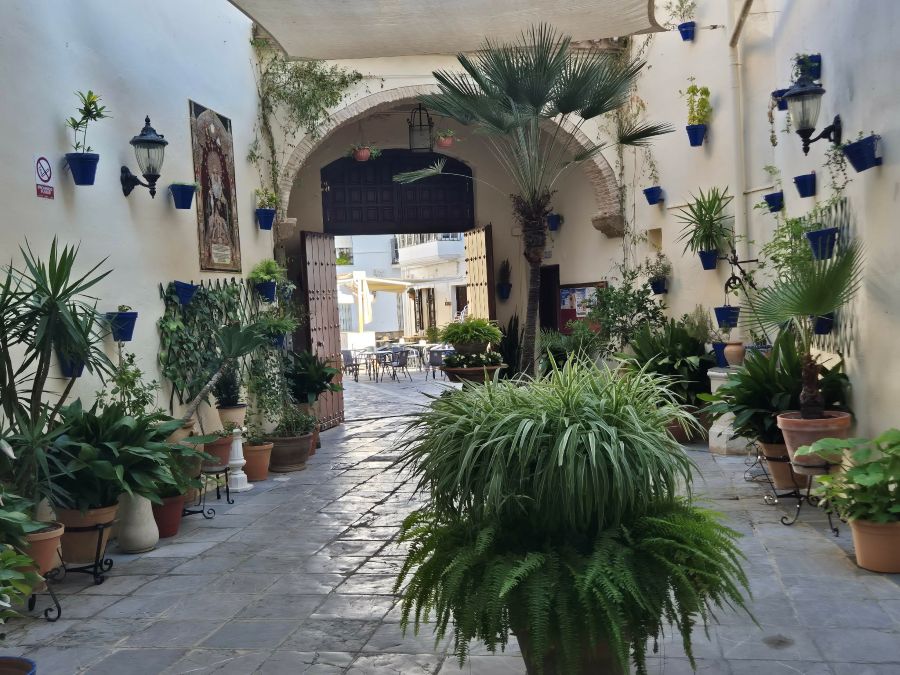
I love tilework and the ceramics here is quite spectacular along with the various design and artwork, even the outside garden area was nice to walk through and see a pots filling up the space.
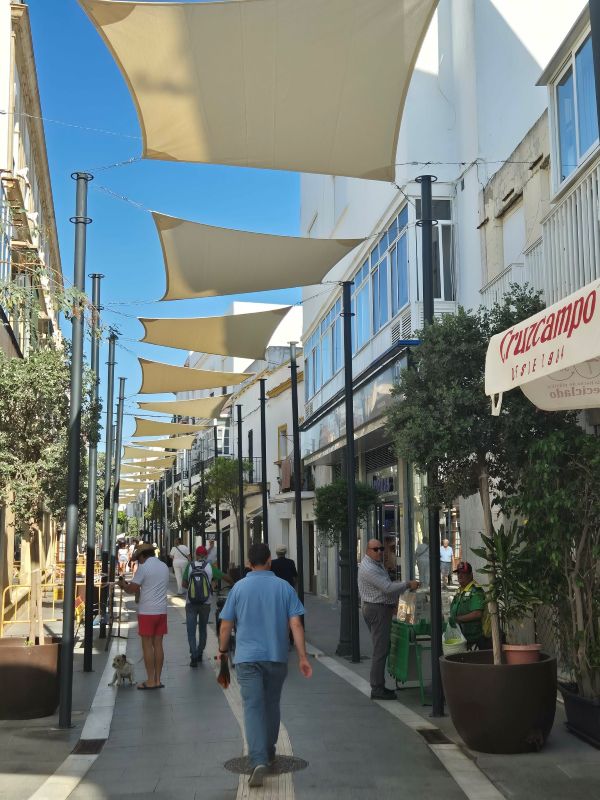
3. Rota Old Town
- Wander through narrow streets lined with traditional whitewashed houses.
- Look for colorful flowerpots, tiled details, historic doorways, and small plazas.
- Plaza Bartolomé Pérez and surrounding streets are particularly pleasant for walking.
- Stop at local cafés and tapas bars along the way.
This was a pleasant walk around the many walking promenades in town and stop by for a quick snack or drink. My timing was perfect for the summer sales happening in the area and got some good deals.
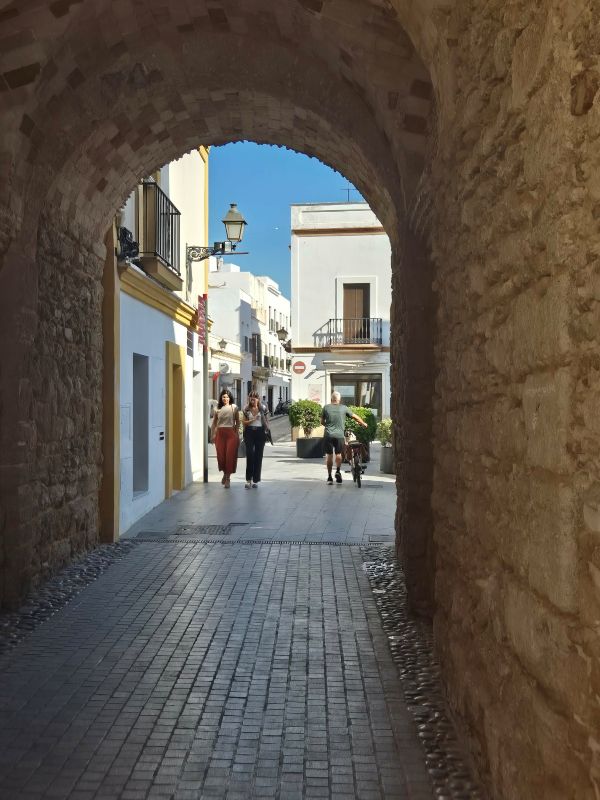
4. Puerta de la Villa
- One of the surviving historic gateways into Rota.
- Part of the town’s former medieval defensive system.
- Provides a glimpse of how the old walled settlement was organized.
The Puerta into the historic old town really transports you into a magical area that feels and looks like time hasn’t changed in the many squares and landmarks around the old town.
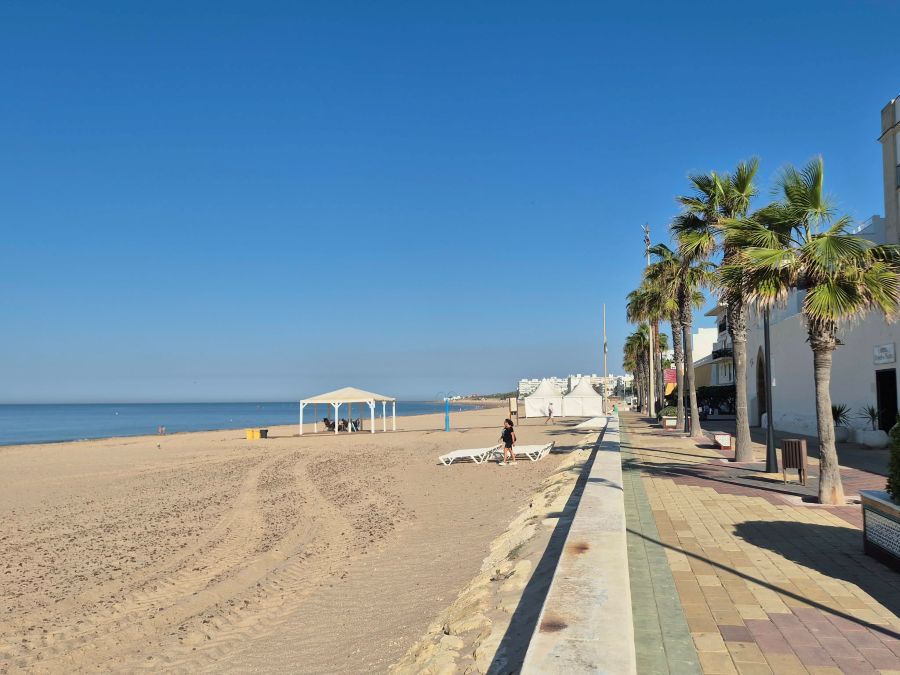
5. Playa de la Costilla
- Rota’s best-known urban beach.
- Broad stretch of golden sand with calm Atlantic waters.
- Conveniently located close to the town center.
- Ideal for swimming, walking, and watching the sunset.
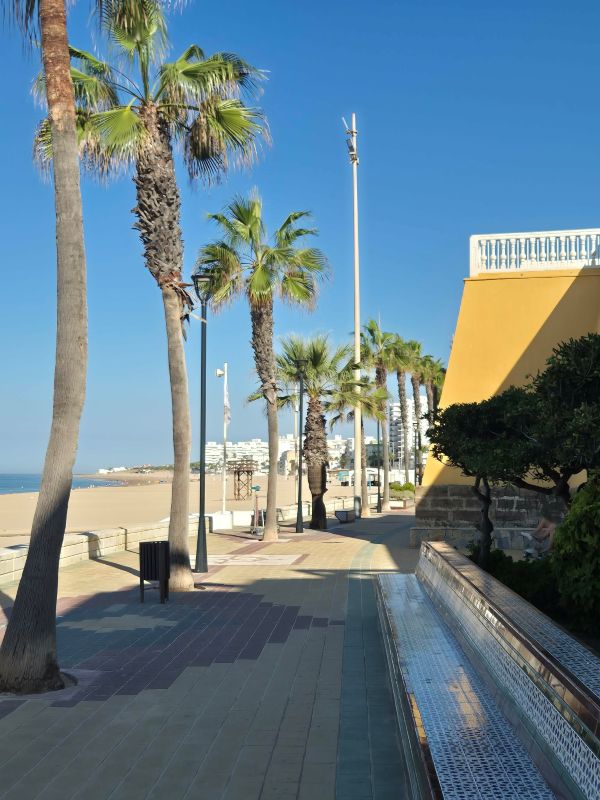
The beach areas are well maintained and groomed, sun was shining and a day on the beach is perfect here especially during the week days when there’s plenty of space and no crowds.
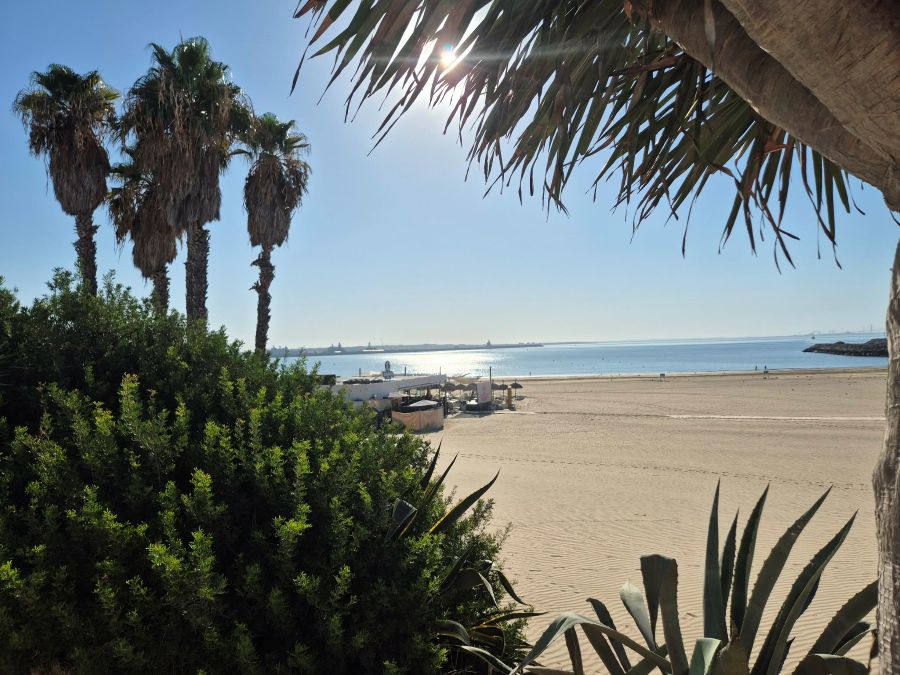
6. Playa del Rompidillo
- Located near Rota’s marina and harbor.
- Offers views across the Bay of Cádiz.
- A quieter alternative to some of the town’s busier beaches.
- Particularly pleasant for a seaside walk.
7. Playa de Punta Candor
- A more natural beach south of the town.
- Backed by dunes and coastal vegetation.
- Excellent for enjoying Rota’s Atlantic landscape.
- A good choice for visitors looking for a less urban beach setting.
8. Corrales de Rota
- Traditional fish traps built along the rocky shoreline.
- Used for centuries by local fishermen to catch fish as the tide receded.
- Represent an important part of Rota’s maritime heritage.
- Particularly interesting to visit around low tide.
9. Parque Natural de la Almadraba
- Coastal natural area associated with Rota’s traditional fishing environment.
- Offers opportunities for walking and observing the local landscape.
- Particularly interesting for visitors interested in nature and traditional coastal culture.
10. Rota Marina
- Modern marina located close to the historic center.
- Good place for a waterfront stroll.
- Offers views of boats and the surrounding coastline.
- Restaurants and cafés make it a convenient place for a break.
I parked my car in the marina area and there’s plenty of cafes nearby, It was too early for a drink or food but the food venues here looked nice with great views of the marina area.
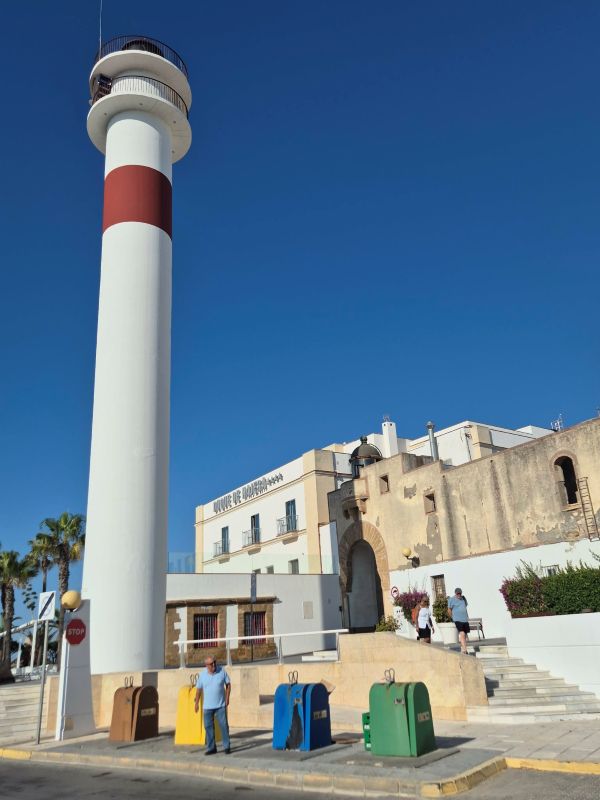
11. Faro de Rota
- Historic lighthouse overlooking the Atlantic.
- Located near the waterfront and old town.
- Makes a pleasant stop while exploring Rota’s coastal promenade.
- Particularly attractive around sunset.
This was the first attraction that I made a beeline to and I love taking photographs of lighthouses. A bonus was walking around the malecon and beach areas and then enter the main gate into the old town.
12. Costa Ballena
- Modern coastal resort area just outside Rota.
- Known for its long beaches, landscaped areas, golf course, and cycling/walking paths.
- A good addition to a Rota itinerary if you have a car or extra time.
13. Playa de la Ballena
- One of the attractive beaches in the Costa Ballena area.
- Wide sandy shoreline with dunes and open Atlantic views.
- Suitable for relaxing, swimming, and long beach walks.
14. Chipiona
- Located a short distance north of Rota.
- Worth visiting for its Santuario de Regla, historic lighthouse, beaches, and fishing traditions.
- The Faro de Chipiona is one of the most prominent coastal landmarks in the area.
15. El Puerto de Santa María
- Located across the Bay of Cádiz from Rota.
- Known for its historic center, seafood restaurants, sherry bodegas, and Castillo de San Marcos.
- Makes an excellent day-trip destination when exploring the wider Cádiz coast.
I did a day tour of El Puerto de Santa Maria and share the experiences in a link below. It’s definitely worth a stop to explore the historic old town and main attractions.
16. Sanlúcar de Barrameda
- Located farther north along the Cádiz coast.
- Famous for its historic center, Manzanilla sherry, seafood, and views toward Doñana National Park.
- Particularly worthwhile for combining history, gastronomy, and coastal scenery.
Suggested Rota Sightseeing Route
- Castillo de Luna → Iglesia de Nuestra Señora de la O → Rota Old Town → Puerta de la Villa → Marina → Playa de la Costilla
- Continue along the coast toward Playa del Rompidillo.
- If you have more time, explore Punta Candor and the Corrales de Rota.
- With a car, extend the trip to Costa Ballena, Chipiona, El Puerto de Santa María, or Sanlúcar de Barrameda.
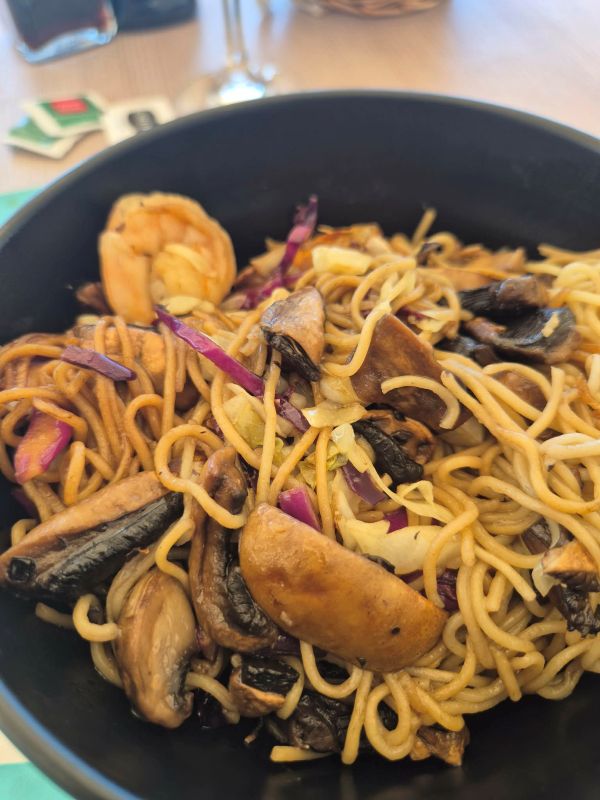
Local and Specialty Dishes to Try in Rota, Spain
Rota’s cuisine reflects its location on the Cádiz coast, combining fresh seafood, local vegetables, traditional Andalusian cooking, and nearby sherry wines.
1. Arranque Roteño
- One of Rota’s signature traditional dishes.
- A cold, thick preparation made primarily from tomatoes, bread, garlic, olive oil, and salt.
- Similar in concept to salmorejo but with its own local Rota preparation.
- Especially refreshing during the warmer months.
- Often served as a starter or tapa.
2. Urta a la Roteña
- A classic dish strongly associated with Rota.
- Made with urta, a local Mediterranean/Atlantic fish with firm, flavorful flesh.
- The fish is cooked with tomatoes, peppers, onions, garlic, and olive oil.
- One of the dishes to specifically look for when eating at a traditional Rota restaurant.
3. Tintilla de Rota
- A distinctive sweet red wine historically associated with Rota.
- Made from the local Tintilla grape.
- Traditionally enjoyed as a dessert wine or paired with sweets.
- Look for it in local wine shops and restaurants.
4. Pescado Frito
- A Cádiz-coast classic that is widely available in Rota.
- Look for boquerones (anchovies), acedías (sole), chocos (cuttlefish), puntillitas (baby squid), and cazón (dogfish).
- Usually served simply with lemon.
- Ideal for sharing as a mixed platter.
5. Tortillitas de Camarones
- Thin, crispy fritters made with tiny shrimp, flour, water, and onion.
- A specialty of the wider Cádiz province.
- Best enjoyed freshly fried as a tapa or starter.
6. Piriñaca
- A simple and refreshing Andalusian salad of tomatoes, green peppers, onions, olive oil, and vinegar.
- Often served alongside grilled or fried fish.
- Particularly enjoyable on a warm day.
7. Caballa
- Fresh mackerel is an important part of the traditional Cádiz coastal diet.
- Often grilled and served with piriñaca or another fresh vegetable accompaniment.
- A good choice for experiencing simple local seafood cooking.
8. Seafood and Shellfish
- Take advantage of Rota’s coastal location to sample locally sourced seafood.
- Look for langostinos (prawns), gambas (shrimp), almejas (clams), coquinas (small cockles), and mejillones (mussels).
- Preparation varies from simple grilling to garlic, wine, or marinera-style sauces.
9. Papas Aliñás
- Boiled potatoes dressed with olive oil, vinegar, onion, parsley, and sometimes tuna or other seafood.
- Served chilled or at room temperature.
- A common Andalusian tapa that works particularly well with seafood.
10. Ortiguillas de Cádiz
- Sea anemones coated in batter and fried.
- Known for their distinctive sea-like, slightly briny flavor.
- More adventurous visitors may want to try them as a Cádiz seafood specialty.
11. Cazón en Adobo
- Dogfish marinated in vinegar, garlic, paprika, oregano, and other spices.
- The pieces are then battered and fried.
- A classic Cádiz-style tapa and a good introduction to local fried seafood.
12. Local Sherry and Cádiz Wines
- Pair seafood and tapas with wines from the Jerez-Xérès-Sherry region.
- Fino or Manzanilla works particularly well with fried fish and shellfish.
- For something different, try Tintilla de Rota, the town’s historic sweet red wine.
A Few Foods to Prioritize
- Arranque Roteño – for a uniquely Rota dish.
- Urta a la Roteña – for the town’s signature fish preparation.
- Pescado frito – for classic Cádiz coastal cuisine.
- Tortillitas de camarones – for a traditional Cádiz tapa.
- Tintilla de Rota – for a distinctive local wine experience.
- Fresh seafood – especially if you are dining near the harbor or waterfront.
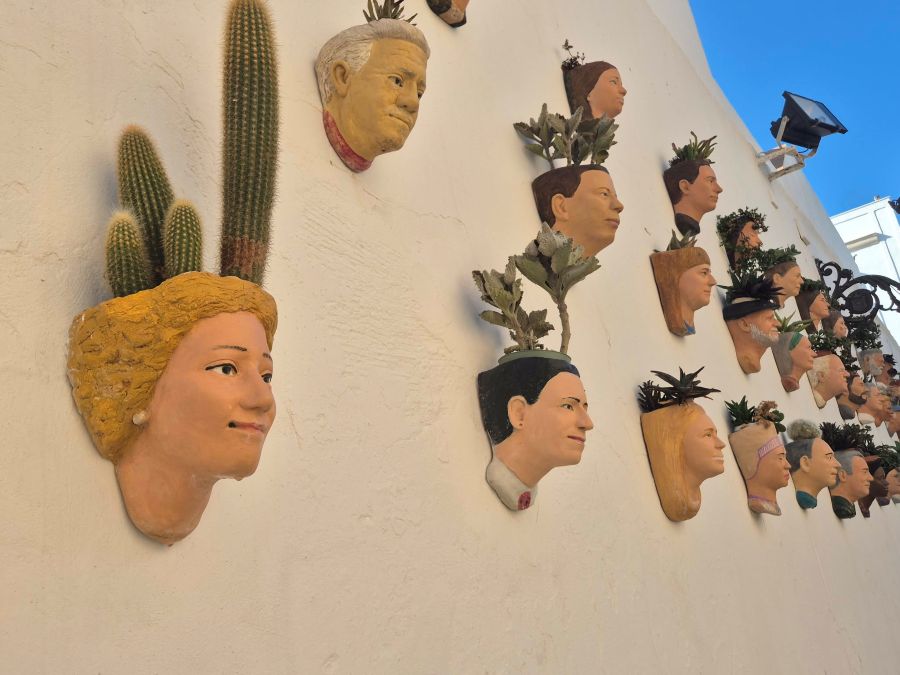
Other Tips and Details Worth Knowing When Visiting Rota
1. Best Time to Visit
- Late spring and early autumn offer pleasant temperatures with fewer crowds than the peak summer months.
- July and August are the busiest period, particularly around the beaches.
- Early autumn can be especially enjoyable for combining sightseeing, beaches, and outdoor dining.
I was here in September and there were no crowds, even less during the weekdays and very sleepy which is typically the way I love to travel off season.
2. Getting Around Rota
- The historic center is compact and easy to explore on foot.
- Walking is the best way to see the old town, Castillo de Luna, churches, plazas, and waterfront.
- A car is useful if you want to visit Costa Ballena, Punta Candor, Chipiona, or other nearby coastal towns.
- Bicycles are another practical option, particularly along the coastal paths.
In the old town, everything is easy to get around, but outside of town, I would advise having a car to explore more areas that appeal to your interests.
3. Beaches
- Bring comfortable sandals or water shoes if you plan to explore rocky areas or the traditional fishing corrales.
- Check the tide times before visiting the Corrales de Rota, as they are most interesting when the tide is low.
- Beach facilities can vary according to the season.
4. Explore Beyond the Main Town
- Don’t limit your visit to Rota’s historic center.
- Explore Punta Candor for a more natural coastal setting.
- Visit Costa Ballena for beaches, landscaped areas, and walking or cycling.
- Consider a day trip to nearby Chipiona or Sanlúcar de Barrameda.
5. Food and Dining
- Look for restaurants serving local seafood and traditional Rota dishes, rather than relying only on tourist-oriented menus.
- Ask about the catch of the day (pescado del día).
- Try arranque roteño and urta a la Roteña for dishes particularly associated with Rota.
- Seafood is often best enjoyed with a glass of fino, manzanilla, or another Cádiz wine.
6. Rota’s Naval Connection
- Rota is home to the Naval Station Rota, an important Spanish-American military installation.
- Some areas connected with the base are restricted.
- Do not photograph military installations, security checkpoints, or other restricted facilities.
This area is restricted and really there’s not much to see at the checkpoints.
7. Beaches and Sun Protection
- The Atlantic sun can be strong even when temperatures feel comfortable.
- Bring sunscreen, sunglasses, a hat, and plenty of water.
- If swimming, pay attention to local beach flags and lifeguard instructions.
8. Local Events
- Rota has a lively calendar of religious celebrations, festivals, fairs, and cultural events.
- Carnival and the Feria de Primavera are among the occasions when the town becomes particularly lively.
- Check the local events calendar if you are planning your visit around a festival.
9. Shopping for Local Products
- Look for local wine, Tintilla de Rota, olive oil, preserves, seafood products, and traditional sweets.
- Small shops in and around the historic center can be good places to find regional products.
10. Spanish Language
- English is understood in many hotels and tourist-oriented businesses, but knowing a few Spanish phrases is useful.
- Useful phrases include:
- ¿Cuánto cuesta? – How much does it cost?
- ¿Qué recomienda? – What do you recommend?
- La cuenta, por favor. – The bill, please.
- ¿Dónde está…? – Where is…?
11. Parking
- Parking can become more difficult during the summer, particularly close to the beaches and historic center.
- If visiting during peak season, consider parking slightly outside the center and walking the rest of the way.
- Check local signs carefully because some streets and parking areas have seasonal restrictions.
If you are driving, there is a large and affordable parking lot by the marina and the old town is right across the street, so it is accessible and fast.
12. Allow Enough Time
- One day is enough to see the principal historic sights and enjoy one of the beaches.
- Two days allows you to explore the old town at a relaxed pace, enjoy local food, and visit Punta Candor or Costa Ballena.
- With additional time, Rota makes a useful base for exploring the wider Cádiz coast.
13. Combine History with the Coast
- A good day can combine Castillo de Luna and the old town in the morning, followed by lunch featuring local seafood.
- Spend the afternoon at Playa de la Costilla or Punta Candor.
- Finish the day with a sunset walk along the waterfront and a drink or tapas in the old town.
Check out these other posts to visiting Cadiz Province
You’ll love to see the rest of the province and Cadiz City, here’s some additional places to visit below
Spend one full day in Cadiz City
Day trip to Vejer de la Frontera
Top things to do in Cadiz, Spain
Specialty foods and markets in Cadiz
Conclusion to visiting Rota, Spain
Visiting Rota, Spain, offers a wonderful blend of beautiful beaches, Andalusian charm, fascinating history, and authentic local culture. From strolling through the historic center and exploring the castle to enjoying fresh seafood, regional specialties, and relaxing along the Atlantic coast, Rota provides plenty of experiences beyond the more famous destinations of Cádiz Province. Whether you visit for a day trip or stay longer to enjoy its laid-back atmosphere, Rota is a rewarding destination for travelers looking to experience a more authentic side of southern Spain. Add Rota to your Andalusian itinerary, take time to explore its historic streets and coastline, and discover for yourself why this charming seaside town deserves a place on your Spain travel list.
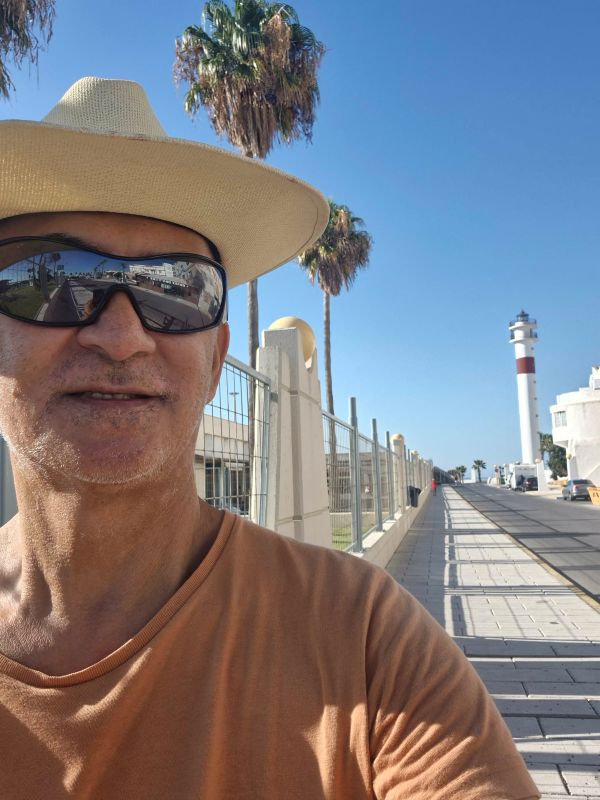
About your tour guide, Noel Morata with Visit Spain and Mediterranean
Having lived in Andalucia, I love traveling through the different parts of the many provinces of the Communidad. Cadiz is one of those cities that really captivate and slowly unfolds and draws you in to explore every corner of the city or just find a nice cafe and watch the crowds and scenery around you. Hope that you get to enjoy all the many facets of the city and spend more time visiting here. Rota came as a surprise and I really enjoyed my visit around the city. Thanks for checking out Visit Spain and Mediterranean, please check out my other posts to visiting Cadiz and surrounding regions on the links above.